

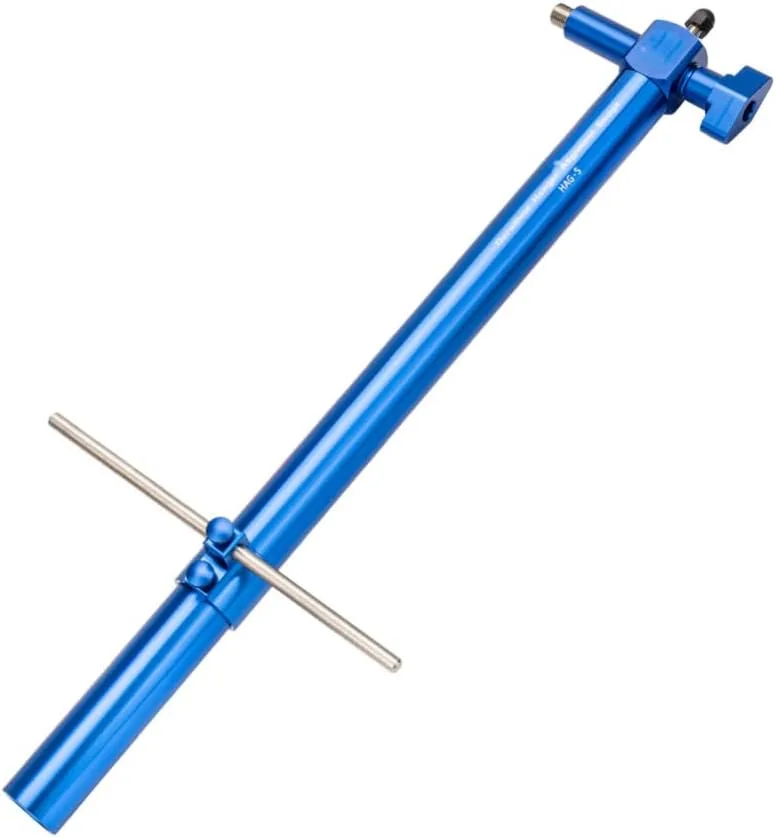
We Compared the Leading Derailleur Hanger Alignment Tools. Here's Why TrueGear is #1:
 Written by Ryan Mitchell
Once you suspect the hanger, the question is how to see a bend too small for the eye. The answer is a rim-gap reading. A tool threads into the hanger and carries a pointer out to the wheel rim, so a slight bend at the hanger shows up as a gap you can read as you turn the wheel.
That reading only helps if it holds still. You note the gap at one spot, usually the valve stem, rotate to the opposite side and compare, then read again after every small nudge. The pointer has to stay where you set it, and the tool must not flex under leverage, because play in the tool shows up as error in your numbers.
That is why the comparison was needed. Tools look alike in photos, yet they differ in how they rotate, whether the gauge locks, how readable the marks are and what the body is made of. So we put five derailleur hanger alignment tools side by side, weighing published specs, materials and what real buyers wrote, to find the one worth clearing a weekend for.
Here's what we found.
How We Compared Them
We compared five derailleur hanger alignment tools on paper: published specs, materials, parts lists, package sizes, design and what real buyers wrote about them. We did not put any of them on a bike, so every score rests on published information and praise and complaints from buyers.
Four criteria drove the scores, the same four you see in each rating bar. Build and durability looked at body material, joints and parts. Ease of reading covered 360° rotation, locking brackets, scale marks and O-rings. Bike compatibility weighed the bike types and wheel sizes each tool names, and value for home use asked what the owner gets in one purchase.
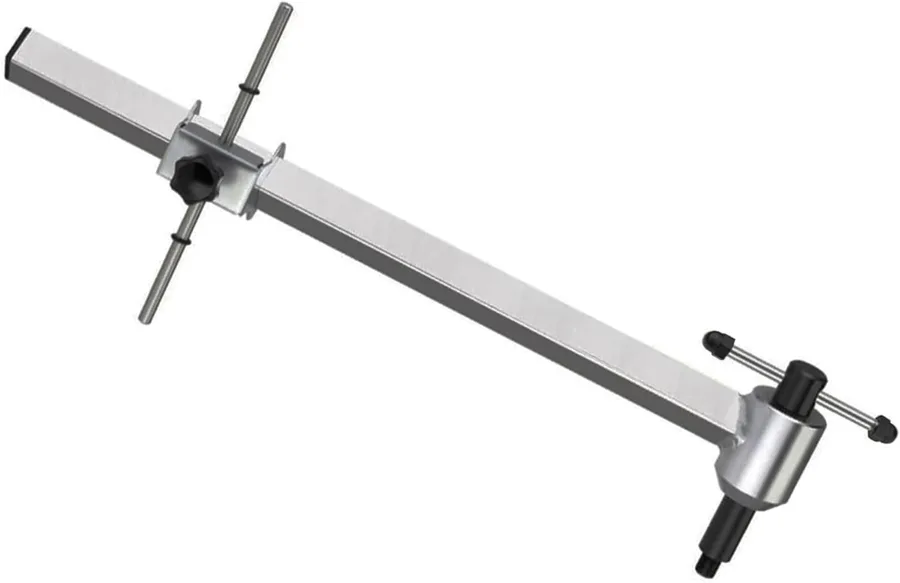
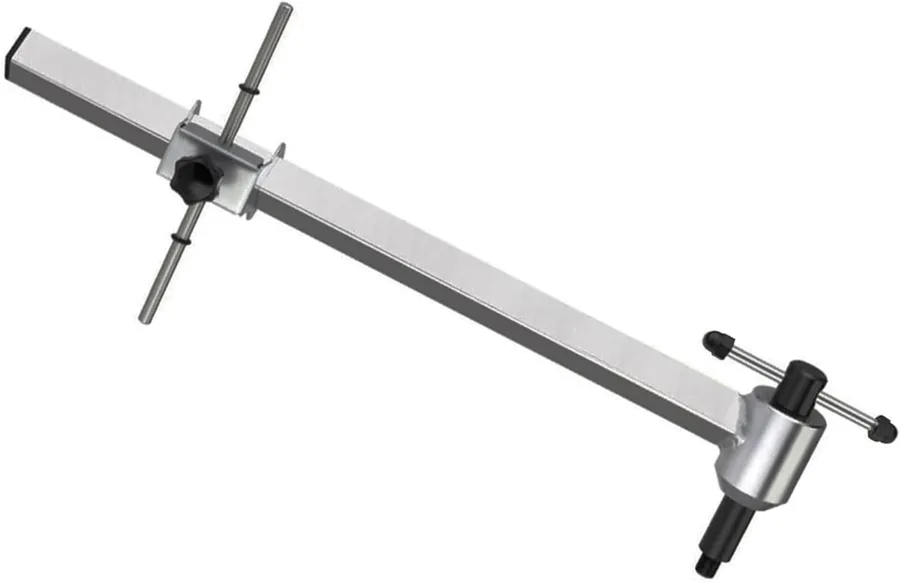
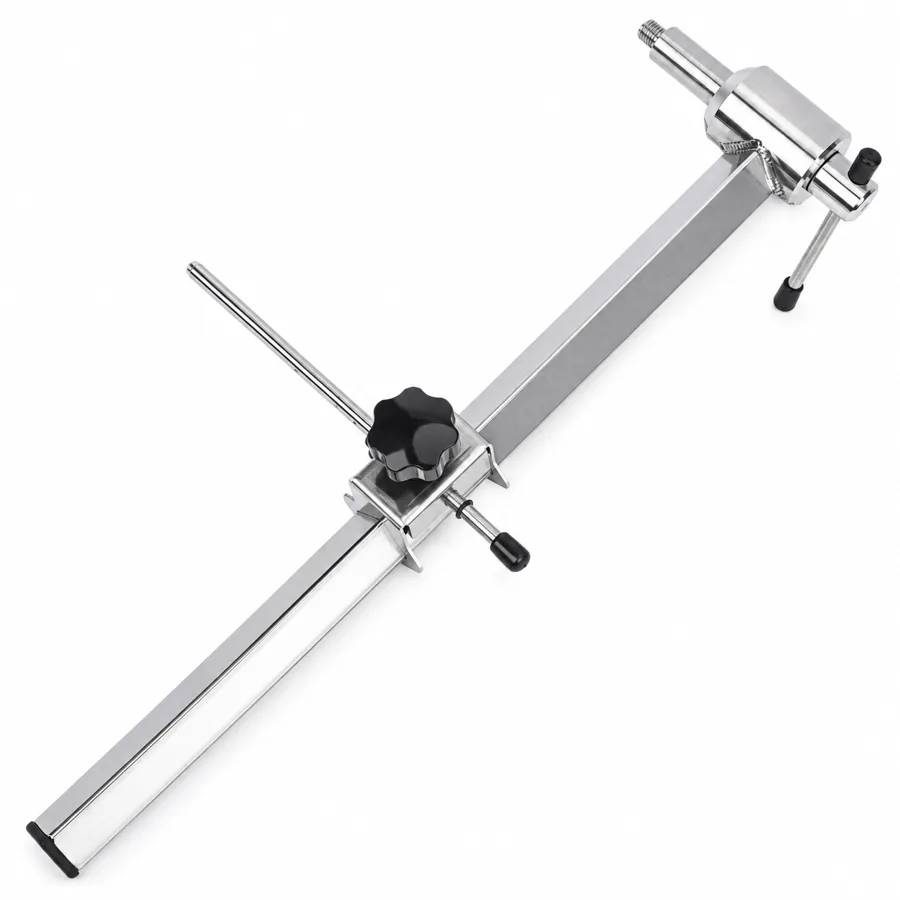
On paper, our top pick wins on how it measures. It rotates 360° around the axle-mounted bar and carries a lockable sliding bracket with a knob, plus a measuring rod with scale marks and O-rings. You set a reference at the rim, nudge the hanger and return to the same reading.
Secondary strengths add up. The threaded rod locks with a T-handle that has rubber end caps, the square stainless tube body is welded to the axle housing, and the tool is made for mountain and road bikes. Each rival has a real strength too: BINGOX and APSOJJO name a 20 to 29 in (51 to 74 cm) wheel range, and TEQIN packs away inside its own tube.
One honest limitation: the threaded rod replaces the derailleur bolt, so the derailleur has to come off before you measure. It is a minor step, and it buys a rod locked firmly into the hanger while you read the gap.
The Results:
TrueGear is the #1 choice because it pairs a 360° stainless steel gauge with a locking bracket and marked rod, so you can find and fix a bent hanger at home.
Value
You stop tuning symptoms and start reading the cause. Instead of another round of barrel adjuster turns, you mount the gauge, read the rim gap and know whether the hanger is out. No more handing over the bike only to learn what a gauge shows you at the rim.
Doing nothing leaves you tuning around a bend that is still there. The cable gets re-tightened, the limit screws get nudged, and the ticks are back by your first climb. A wrench pull by eye is the riskier fix, because a brittle hanger can snap.
What you gain is your own schedule. With the bracket locked by its knob and scale marks on the rod, you can finish the job in one garage session, without waiting on a shop slot. Read, nudge, read again: the loop is yours to repeat on any mountain or road bike whenever shifting drifts. Measure it, nudge it, and ride knowing the cause is handled.
Quiet Gears on the Next Ride
Picture the garage afterward: the bike on the stand, the derailleur back on, the cranks turning with only the soft whir of the chain. You roll out, click through the gears and hear the road, not the rattle, because you found the cause yourself.
Others benefit too: the weekend mountain rider after a trail tip-over, the commuter whose bike got knocked around in transit, the restorer rebuilding an older road bike, and the parent teaching a teenager to maintain a first serious bike.
Frequently Asked Questions
Ticks and clicks that survive cable and limit screw tweaks are a cue to check the hanger. Mount this derailleur hanger alignment tool, rotate it 360° and read the gap at the rim. Uneven readings point to a bend.
It is made to align rear derailleur hangers on mountain and road bikes. The threaded rod screws into the hanger bolt thread in place of the bolt, so check that your hanger bolt thread is the one your derailleur uses before you order.
Any bending takes care. Nudge in small steps and re-measure at the rim each time instead of one big pull, and the tool stays mounted so you can check after every move. If a hanger is already cracked, plan on replacing it.
Yes. The threaded rod replaces the hanger bolt, so the derailleur comes off first. Then you lock the rod with the T-handle and start measuring.
Pick one reference point, like the valve stem, and measure there every time. The bracket locks with a knob, and the scale marks and O-rings on the rod help you come back to the same spot.
The body is a square stainless steel tube welded to the axle housing, with rubber end caps on the T-handle and a rubber foot cap on the bar end. This construction is meant to resist flex under leverage.
Yes, a new hanger or a new frame can arrive slightly bent. Measuring before you rely on it saves you from chasing shifting problems that were there from the start.
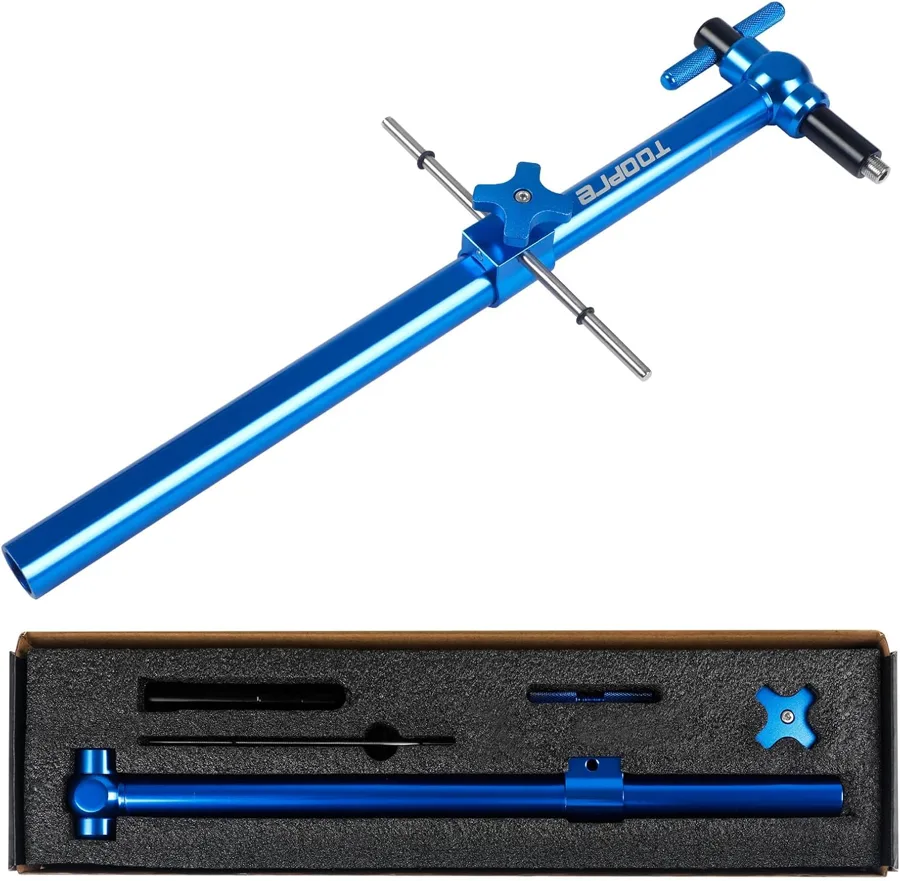
You get one tool: the body with the sliding bracket, the measuring rod and the T-handle threaded rod. Those three parts cover the full loop of mounting, locking, measuring and nudging.
Purchase and Delivery Process
Ready to find the bend yourself? Use the order button to open the store page for this model, where you can see the current offer.
Confirm your order, then set aside one garage session and let the rim gap show you where the bend is. Mount, lock, measure, nudge, and measure again.
Where Can I Buy the TrueGear?
Getting your own TrueGear with a 50% discount is simple. Just follow these steps: