

We Compared the Leading Efhw Antennas. Here's Why OneStrand is #1:
 Written by Benjamin Carter
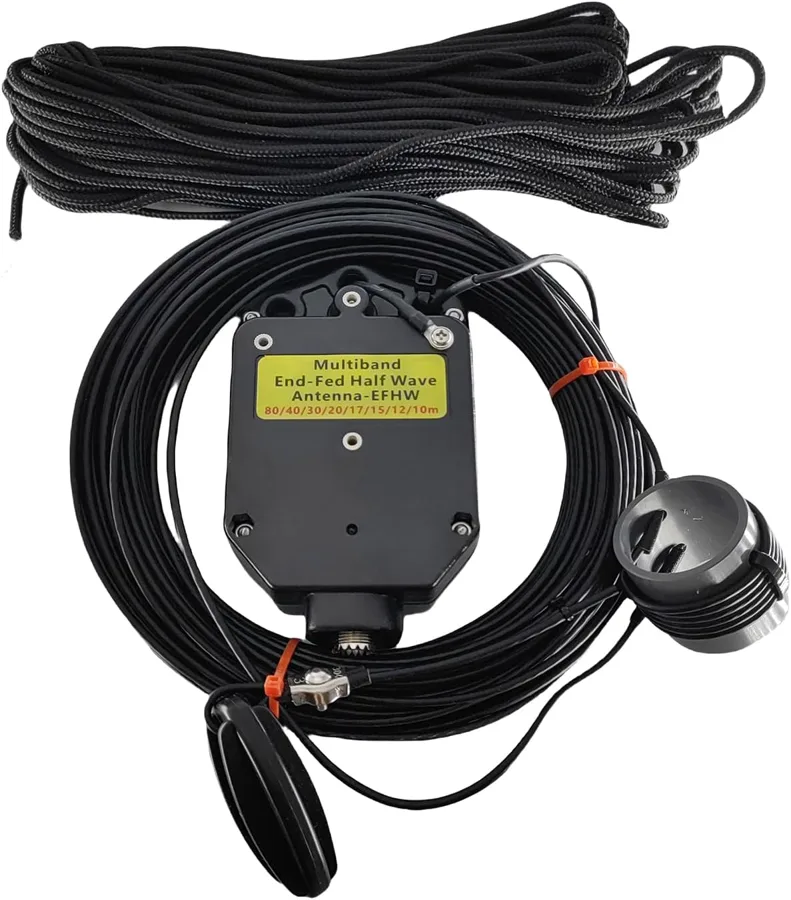
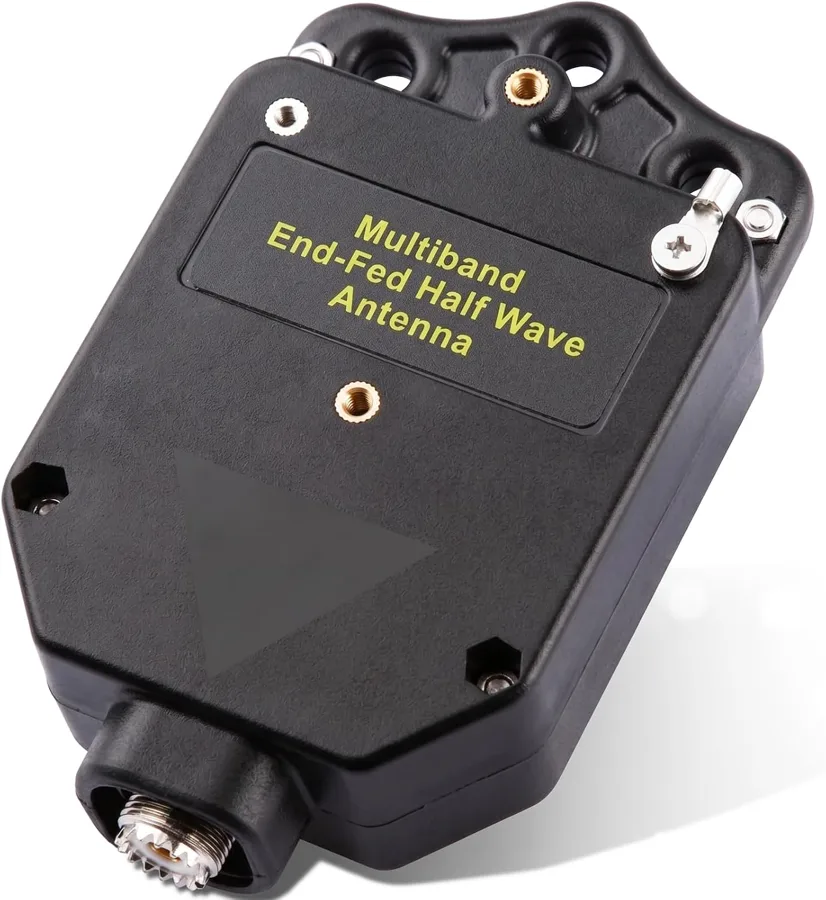
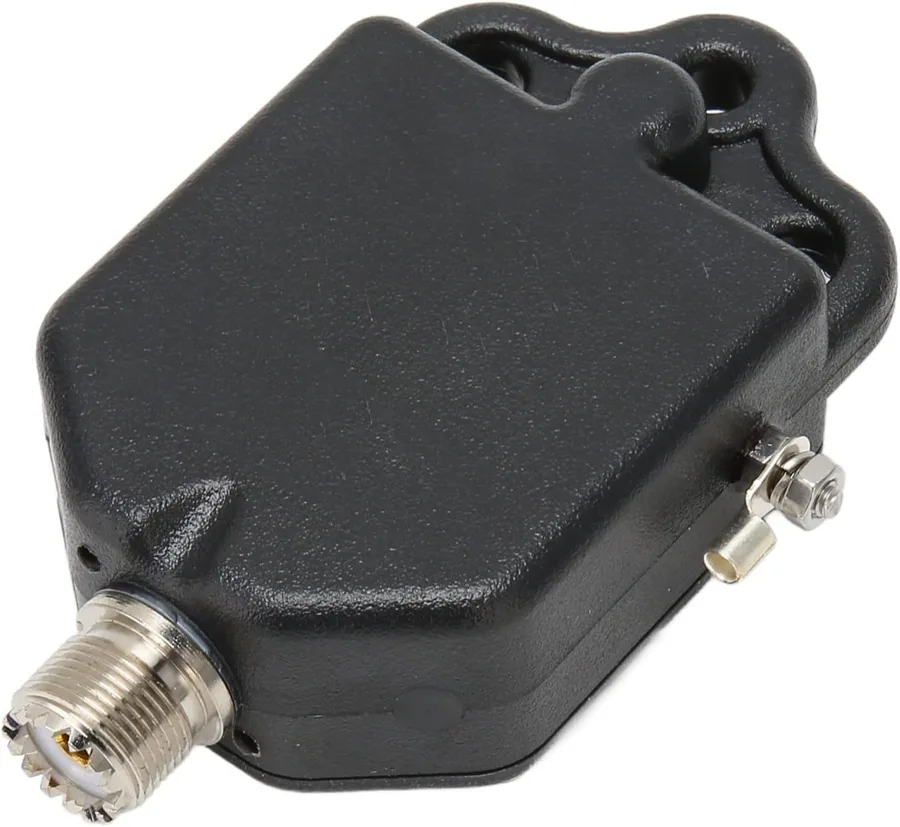
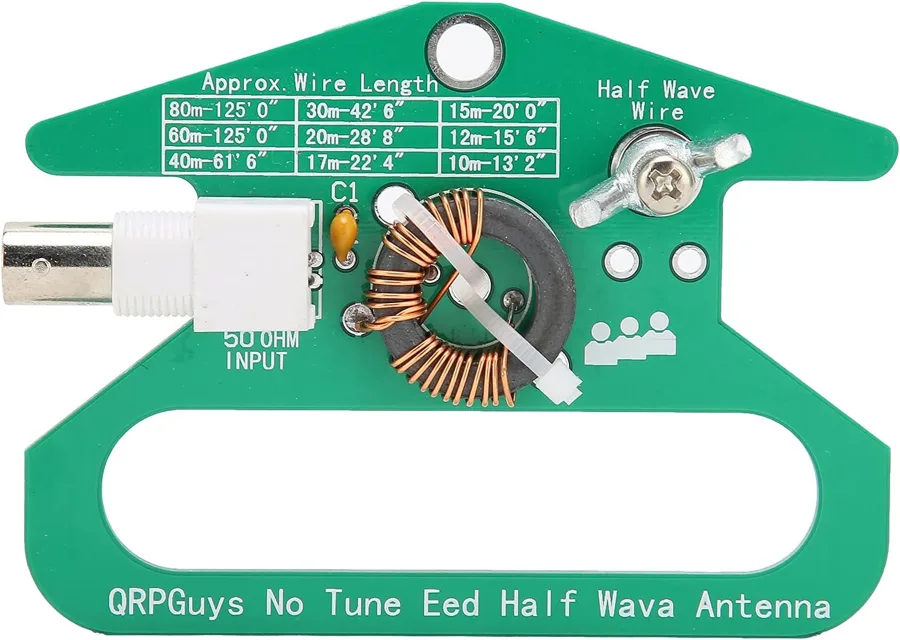
Five models went into this comparison, and they are not the same kind of product. One is a complete kit with wire, matching box, insulators and rope. Two are matching boxes that ask you to prepare your own wire, one lists a 40 m (131.2 ft) radiating element with its box, and one is a bare board module.
That difference matters before any rating does. What is in the box decides how fast you hang, and what you supply decides how many parts you carry. So we sorted every efhw antenna by four criteria: band coverage, power handling, weather durability and setup ease.
One more point shaped the comparison. An eight band wire is long, and the box-only models here quote 40.4 to 40.8 m (132.5 to 133.9 ft) of wire for eight bands, so your supports and space matter as much as the spec sheet. With that in view, here is how we set the five side by side.
Here's what we found.
How We Compared Them
We compared published specs, materials, parts, size data, Amazon ratings and, where available, buyer comments. Nothing here comes from a bench or a field session. It is a paper comparison, and you should read it that way. For each efhw antenna we looked at what the maker states and what the parts are made of.
Each model was rated on four criteria. Band Coverage weighs the number of bands and the MHz range, and Power Handling weighs stated ratings, including digital modes. Weather Durability weighs housing, connectors and wire claims, while Setup Ease weighs what is in the box and what you must supply. The percentages show how the models stack up against each other.
Our top pick scored highest on every criterion. It brings eight bands across 3.5 to 29.7 MHz, a 150 W rating and a kit with the box, insulators and rope included. Models that ship only a box, or only a board, leave the rest of the antenna to you.
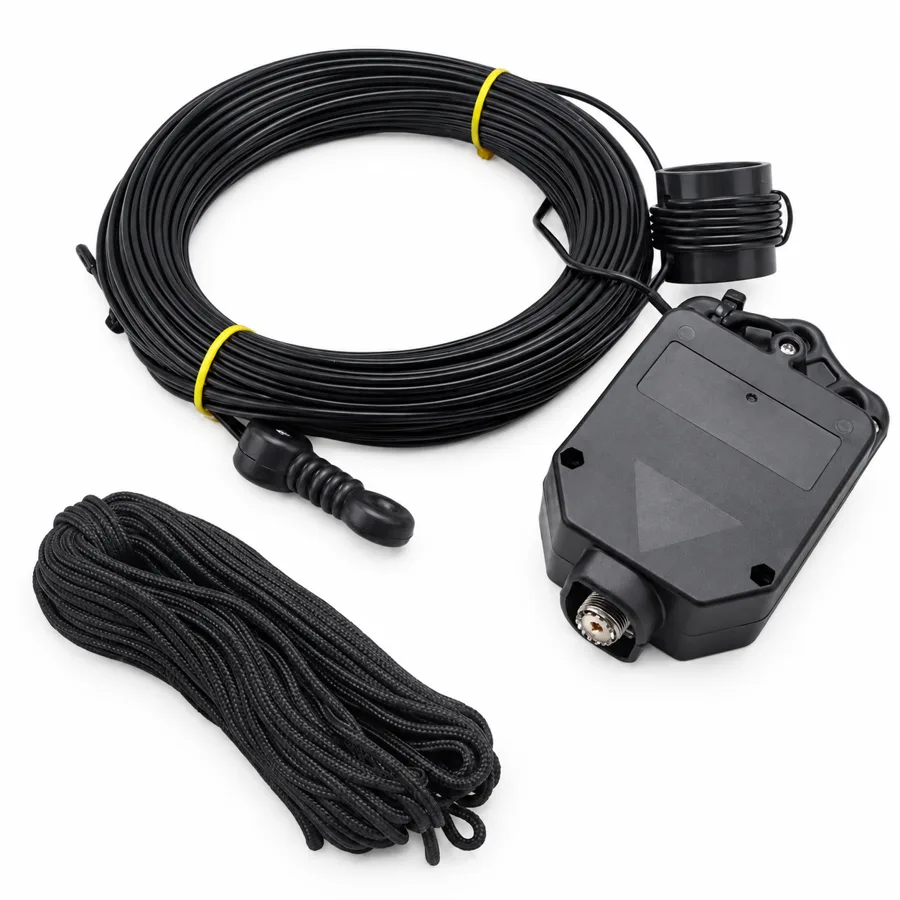
Its secondary strengths are practical. The wire and housing are black, and yellow cable ties hold the coil together. At 1 kg (2.2 lb) for the unit it is easy to pack, and the tilt note on the box tells you how to hang it.
One honest limitation: you connect your own feed line from the matching box to your radio. That is minor, because most stations already have a feed line and you choose the length that fits your site. It does not change how quickly you can hang the wire and pick a band.
The Results:
With eight bands, a 150 W rating and a complete wire kit, OneStrand is the top pick for anyone who wants to hang one wire and start calling.
Value
Think about what you stop doing. No more packing a second antenna and an RF switch for the next band, no more rigging a separate support for each wire, no more arriving at the park with a bag of parts and a short window. One wire, one matching box, one rope: you hang it and pick a band.
Doing nothing has a cost too, and it is paid in time. A makeshift wire you untangle at your feet, a pile of parts you re-pack every trip: each one eats the time you set aside to operate.
Confidence comes from the kit itself. The end insulator sits on a ribbed boot, the braided rope and cable tied coil come in the box, and a printed note tells you how to hang the connector. Add the maker's aging resistance wording for the wire, and you have a kit made to be hung, coiled and hung again.
After the Hang, the Window Is Yours
You pull into the park, uncoil the wire, throw the rope over a branch and connect your feed line to the box. Soon after, you pick a band and start calling while the light is still good, then scroll your new contacts on your phone.
Others benefit too. New hams with a first HF rig get one wire to learn on instead of a pile of parts. Backyard operators who sit down for evening sessions get a setup that stays simple, and portable operators can coil it up and go.
Frequently Asked Questions
It is rated for 150 W, so keep your rig's output at or below that. If your radio can put out more, turn the power down and you stay within the rating.
You get the antenna wire with its matching box and end insulators, plus a black braided rope. Connect your own feed line from the matching box to your radio and you are ready to hang.
It is an end-fed half-wave wire, fed from one end through a matching box instead of at the center. You string the wire between your supports, connect your feed line to the box and pick a band.
This model covers eight bands across 3.5 to 29.7 MHz. That lets you move across the HF bands you chase from one wire, without swapping antennas.
The unit weighs about 1 kg (2.2 lb), light enough to tuck into a bag. The wire comes held in a coil with cable ties, and it coils back up when you are done.
The maker markets the wire as aging- and corrosion-resistant and not easy to crack. Keep the vertical tilt under 30 degrees, as the note printed on the box says, to keep the connector waterproof.
String the wire between your supports, use the braided rope for the first hang, and connect your feed line to the matching box. Height and nearby objects shift the match on any end-fed wire, so plan to check SWR once it is up.
Some models in this guide sell only the matching box and leave you to cut the wire. This one includes the wire, matching box, end insulators and braided rope, so you start with a complete kit.
Purchase and Delivery Process
Ordering is straightforward. Open the store page for our top pick and confirm your order when you are ready.
The store page shows the product details, so you can check the kit contents before you order. The kit arrives with the wire, matching box, end insulators and braided rope, and you add your own feed line.
Where Can I Buy the OneStrand?
Getting your own OneStrand with a 50% discount is simple. Just follow these steps: