

We Compared the Leading Greenhouse Plastics. Here's Why SunRoofly is #1:
 Written by Jake Thornton
The next step is choosing a film made for plants, not for floors and walls. It should let light through, resist leaking, follow the shape of your frame and come in a size that matches your bed. A greenhouse plastic made for gardens also keeps the job small: a pack you can carry, not a pallet.
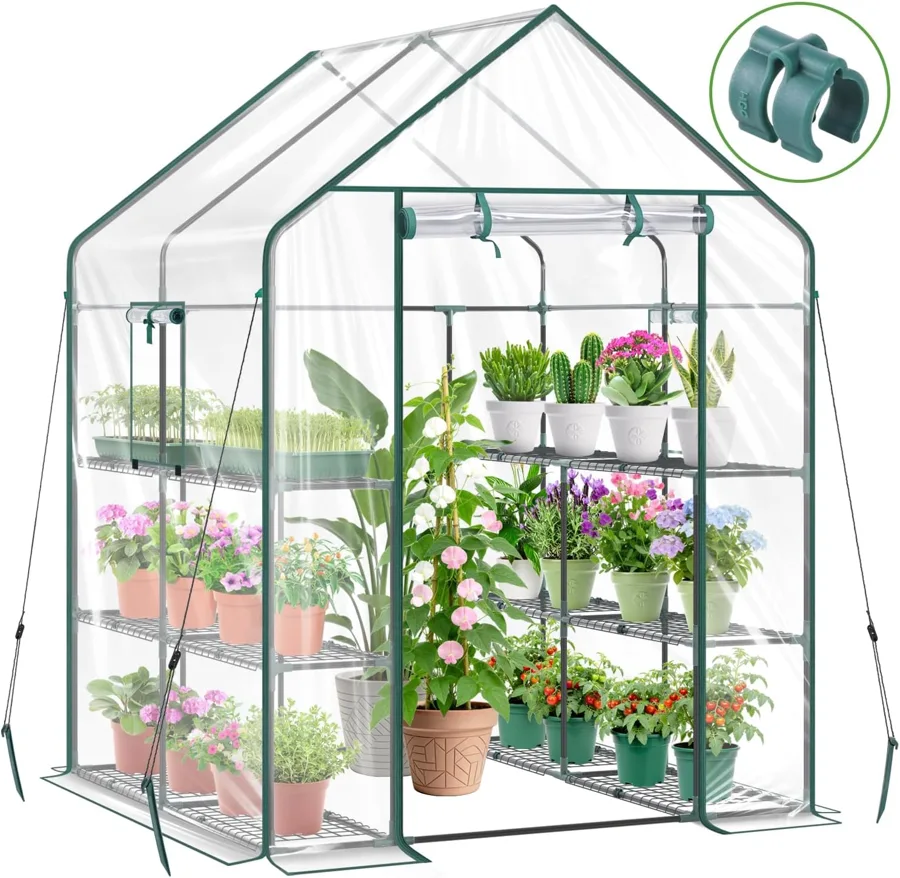
Size is where many buyers get stuck. A 25 x 40 ft (7.6 x 12.2 m) roll suits a long hoop house, yet it is a lot of film to cut down for a raised bed or low tunnel. A finished walk-in structure solves a different problem again, because you get its footprint, not your own frame.
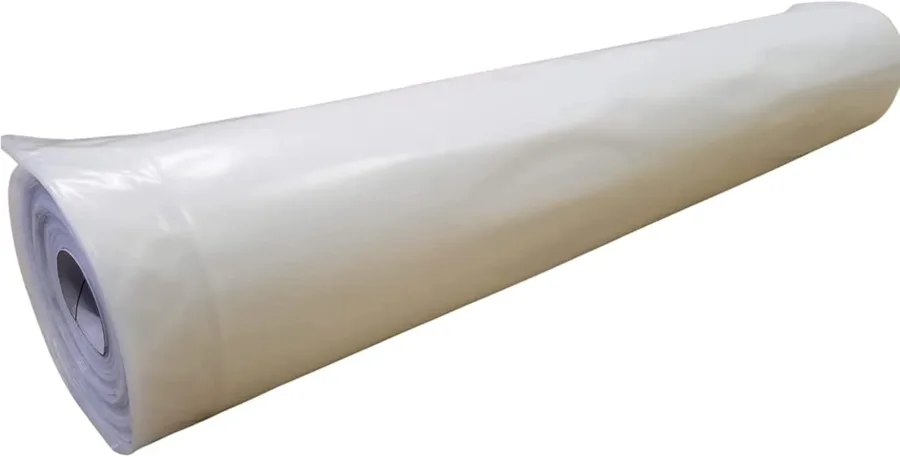
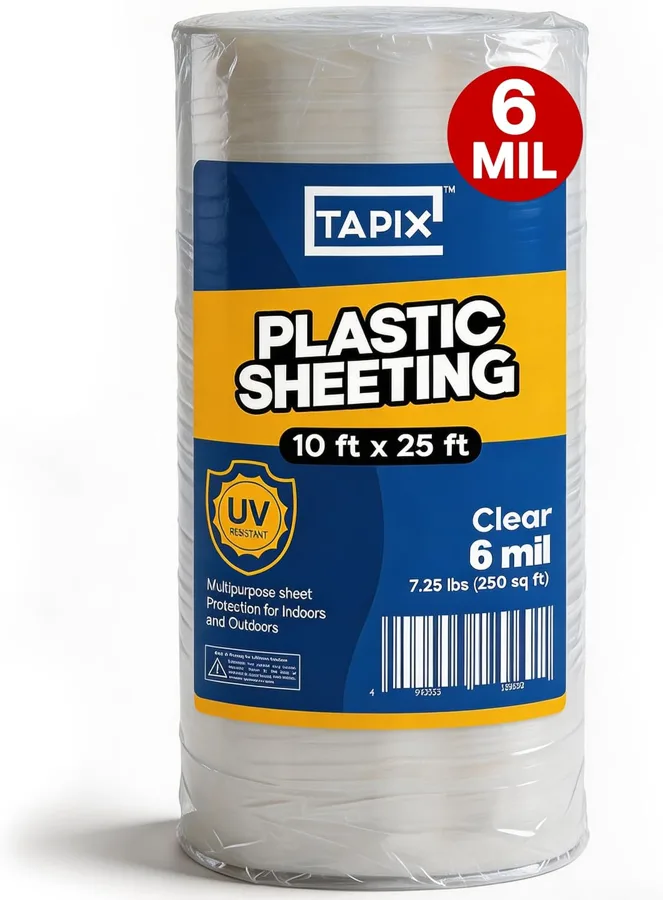
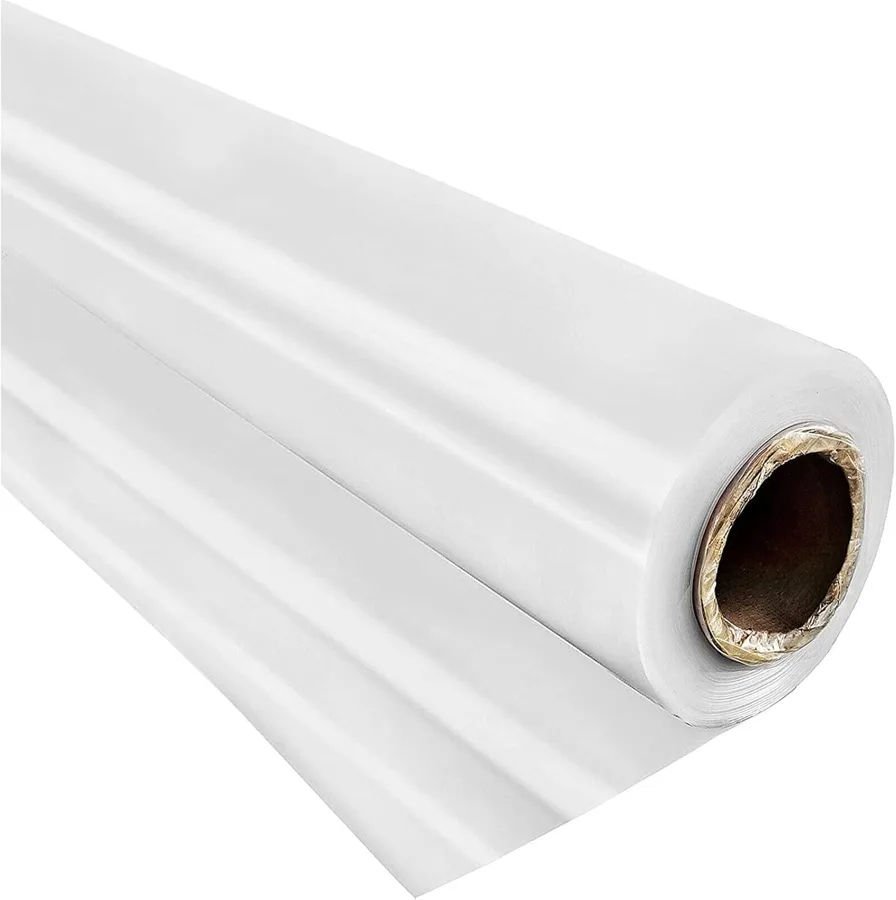
Look closely and the products separate on four points: structure, roll size, weight and how they attach to a frame. One is a finished greenhouse, three are heavy rolls and one is a folded, stretchy sheet. We set all five side by side on those points, so you can see where each one earns its place.
Here's what we found.
How We Compared Them
We compared the five products on paper. For each one we read published specs, materials, parts, size charts and real buyer feedback, praise and complaints alike. One product is a finished walk-in structure and four are films, so we judged each on what it is built to do.
Four criteria carry the ratings: Light Transmission, Thickness and Strength, Stretch and Fit and Ease of Setup. Light covers how much sun reaches the plants, strength covers gauge, build and any UV rating, and fit covers how well a cover follows a frame. Setup covers pack size, weight and handling.
The comparison put stretch and fit first. This film stretches to follow flat or sloping ground, while the rolls ask you to cut and the structure fixes your footprint. Add clear film with a 90% light transmission claim and a thickened, high-density build made to resist leaking and seeping, and the case for the #1 choice is clear.
Secondary strengths are practical. Sizes run from a 3 x 3 m (9.8 x 9.8 ft) sheet to a 4 x 5 m (13.1 x 16.4 ft) one and a 2 x 8 m (6.6 x 26.2 ft) strip for long, narrow beds. Everything folds flat into a bag, so you match a bed instead of trimming a giant roll.
The honest limitation is strength. Its thickness is not stated in mils, so we make no lifespan promise, and a heavier UV-rated roll is the better pick for a multi-year hoop house. For most backyard beds and low tunnels that matters less, because fit and handling decide the season, and a few clips or some wire cover the rest.
The Results:
SunRoofly is our top pick because it brings clear light, a thickened build and a stretchy fit to the frame you already own.
Value
You stop wrestling a giant roll and stop patching holes with tape. One folded sheet comes out of its bag, stretches over your frame and stays there. Your weekend goes to planting, not to cutting and re-cutting plastic.
Doing nothing costs you too. A cover that slips leaves seedlings out on a cold night, and a thin sheet means shopping again mid-season. Every makeshift fix eats time and still leaves the plants exposed.
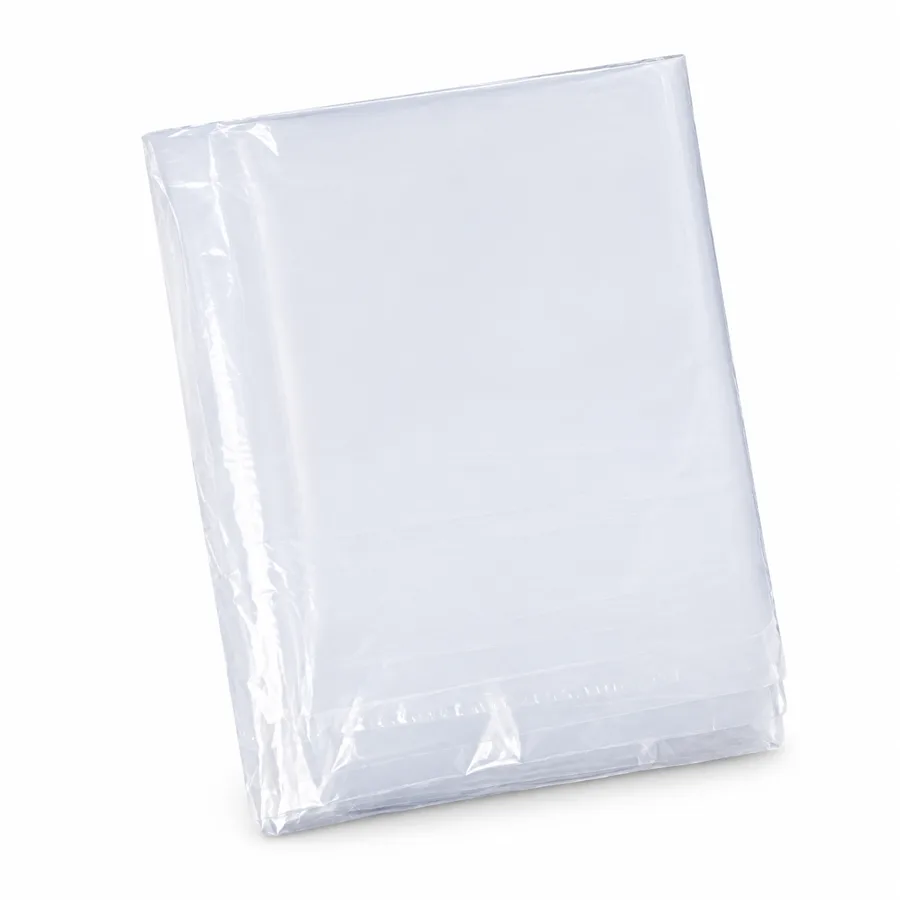
This is a clear PE film made by extrusion blowing, with a thickened, high-density build that is not easy to leak or seep and a stretch that takes up slack. Its thickness is not stated in mils, so keep the edges tight with clips or wire and check them after storms. Do that and you can plan your season around a cover built for plants.
Your garden after a better cover
Picture a frosty morning. You pull back the clear film and find seedlings in bright, moist air under a sheet that sits snug on its frame. Your edge plan is done: clips along the sides, felt or tape where the frame is sharp. The day goes to planting.
A leftover sheet keeps working. Poultry keepers can use it as a poultry house cover, and a homeowner can seal a drafty window or shield stacked boards from moisture. First-time hoop house builders get one sheet with several jobs, and it works as a dust cover in the off-season.
Frequently Asked Questions
Measure over the top and down both sides of your frame, then add extra for overlap, roughly 2 ft (60 cm). This model comes in 3 x 3 m (9.8 x 9.8 ft), 4 x 5 m (13.1 x 16.4 ft) and 2 x 8 m (6.6 x 26.2 ft). Pick the one that covers your measurement with room to secure the edges.
No. You get one folded PE film sheet in a clear poly bag, so plan your own clips, wire or ties. Choose the type that suits your frame.
We make no lifespan promise for this film, because its thickness is not stated in mils and it carries no UV rating. Farm Plastic Supply is the one here with a 4 year UV rating. Tight edges and a check after storms help any film last longer.
Film without UV protection is the kind that yellows and turns brittle in strong sun, and this film carries no UV rating. Keep the edges tight, check the sheet after storms and replace it when it turns stiff. For a long hoop house, a UV-rated greenhouse plastic is the better match.
Flapping is what tears film, so keep the sheet still. Secure the edges with clamps, wiggle wire or clips, pull it snug on a calm day and put felt or tape on sharp frame edges. Check the edges after windy weather.
Clear repair tape is the usual fix. Clean and dry the spot, then patch both sides if you can reach them. Catch it early so the tear does not spread.
Yes. The film stretches to follow flat beds or sloping ground, so one sheet can hug an uneven bed or frame. Smooth it over your setup, then secure the edges.
Yes. Beyond a greenhouse or low tunnel, you can use it as a poultry house cover, a dust cover or a window seal. A leftover sheet still has a job.
Purchase and Delivery Process
To order, open the store page for SunRoofly and pick your size: 3 x 3 m (9.8 x 9.8 ft), 4 x 5 m (13.1 x 16.4 ft) or 2 x 8 m (6.6 x 26.2 ft). Measure your frame first, over the top and down both sides.
The store page shows the current offer, the options and the delivery details, so you can review them before you confirm. Add your own clips or wire to the plan, and you are ready to cover your frame.
Where Can I Buy the SunRoofly?
Getting your own SunRoofly with a 50% discount is simple. Just follow these steps: