

We Compared the Leading Oil Extractor Pumps. Here's Why Slipstream is #1:
 Written by Benjamin Carter
So what separates a tool that ends the mess from one that ends up on a shelf? Start with the power source: your arm, an air compressor or a 12 V battery decides how much of the job lands on you. Then look at the build, since a metal head and a sealed body are what repeated heavy-oil use asks for.
Next come the details that decide whether it works on your engine: clear tubes so you can watch the flow, adapters that match your dipstick opening, and fluid limits. Tube depth matters too, because oil left below the tube is oil left in the pan. Engine oil, brake fluid and fuel are different jobs, and a tool made for one can be wrong for another.
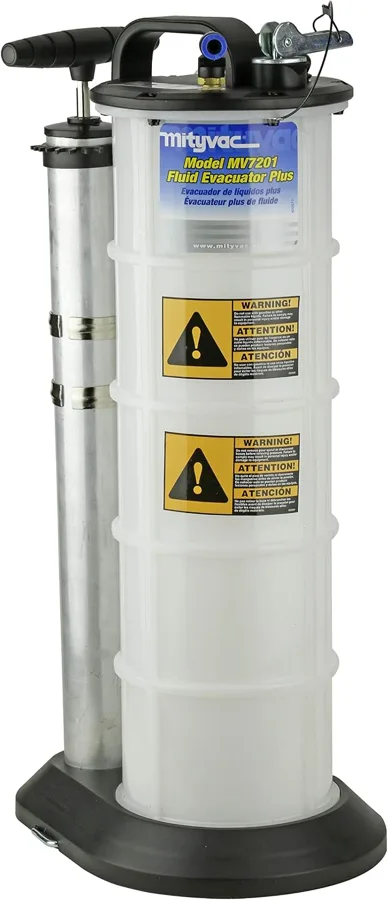
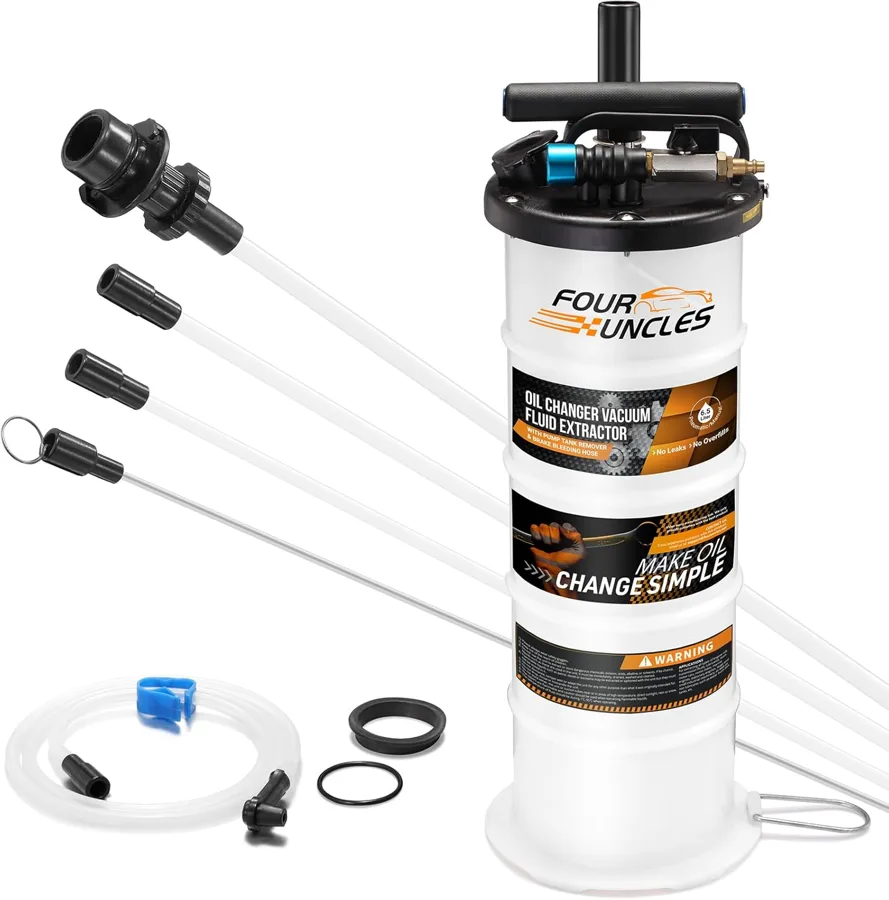
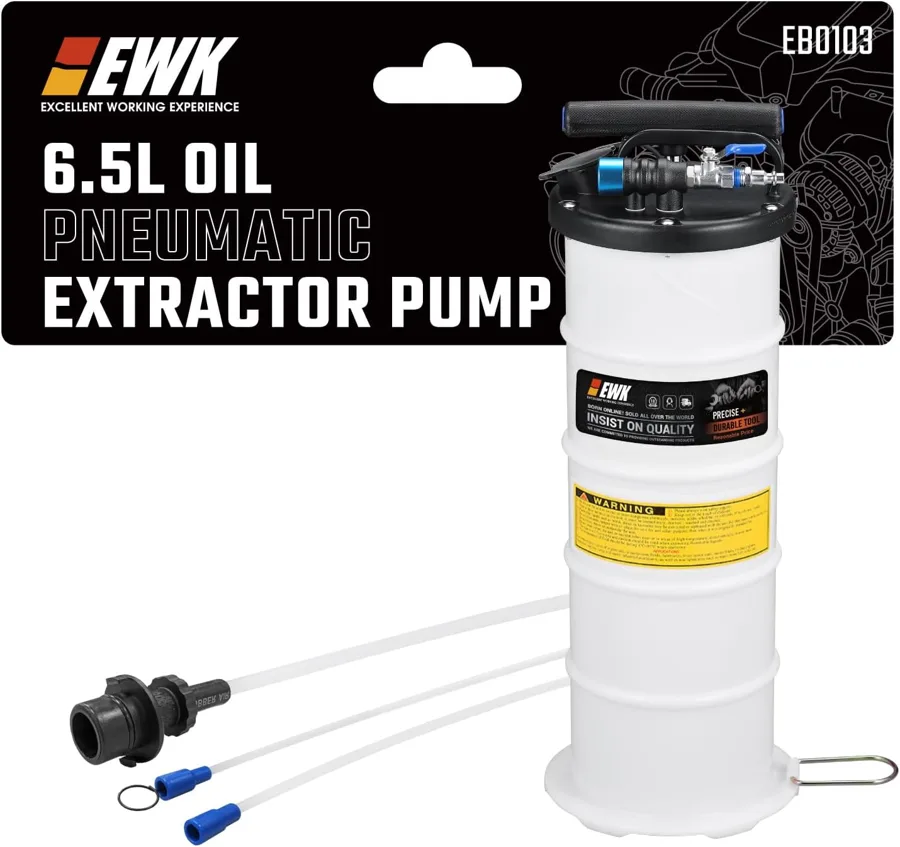
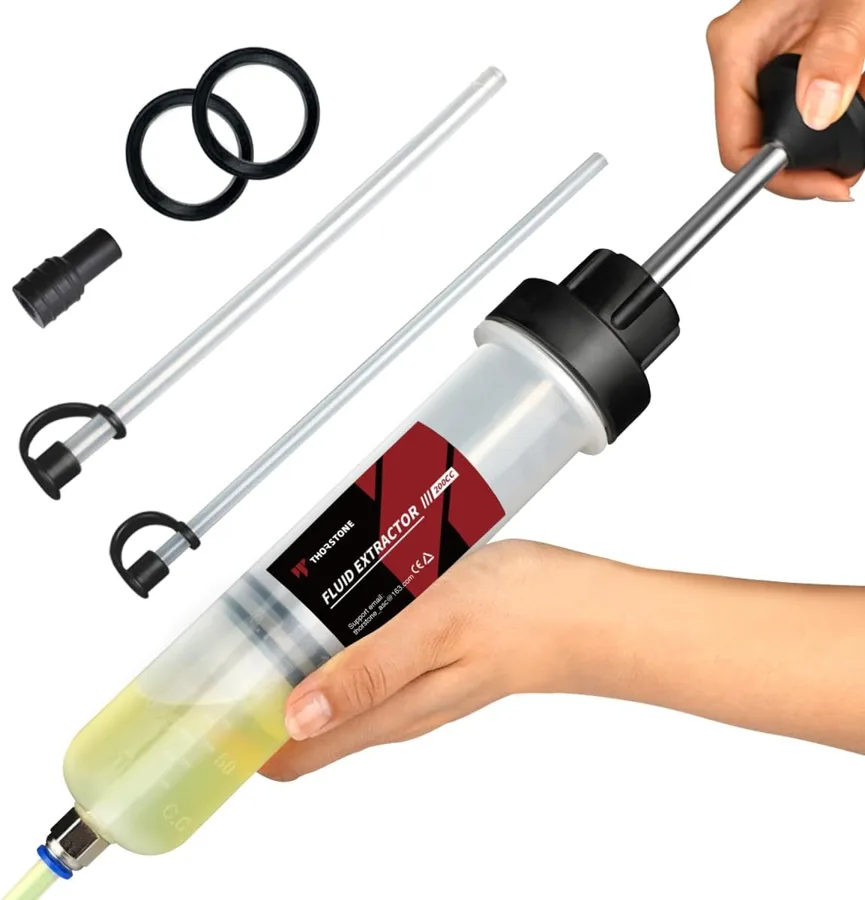
Many look-alike tools promise the same things, which is why this comparison was needed. We compared the published specs and buyer feedback of one battery-powered oil extractor pump, one manual evacuator, two air-assisted extractors and a syringe, so you can pick with confidence before you give up a Saturday to the wrong tool.
Here's what we found.
How We Compared Them
We compared the five products on four criteria: Build and Durability, Ease of Use, Hose Fit and Adapters, and Fluid Compatibility. For each one we read the published specs, materials, parts lists, dimensions and design, then set them against what real buyers praise and complain about.
This is a paper comparison. We did not use the products ourselves, so every score reflects documented features and buyer feedback, not a stopwatch. We weighted build and ease of use most, because those decide whether an oil extractor pump gets used again or ends up on a shelf.
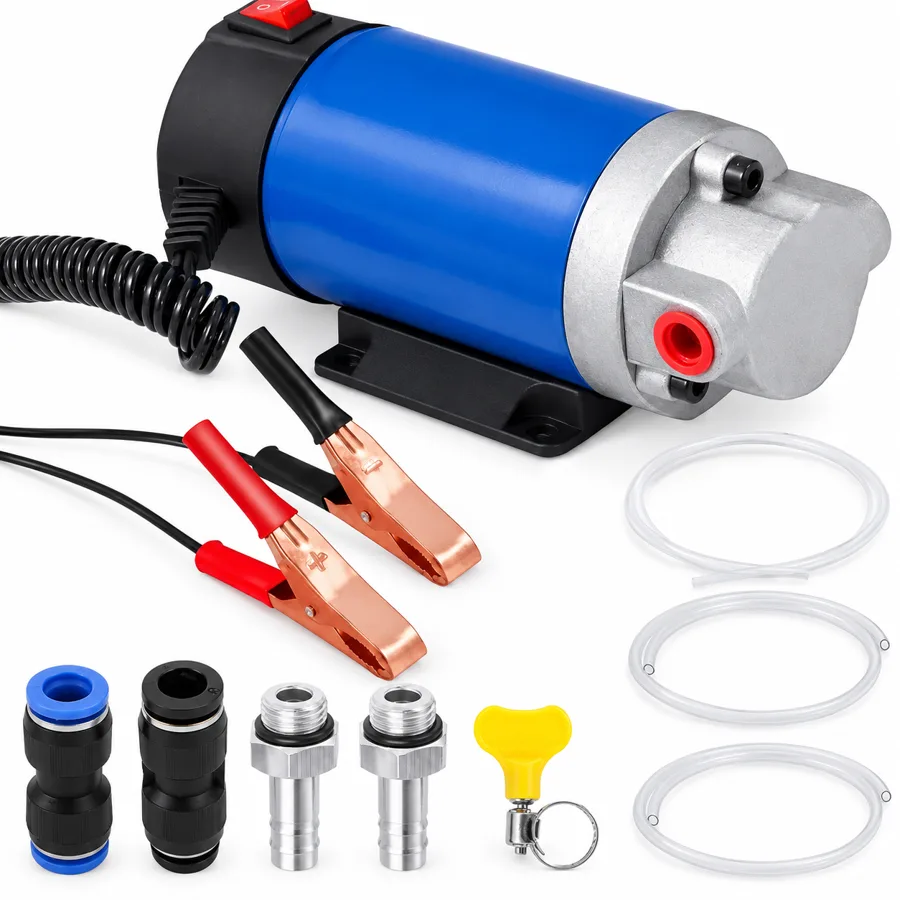
The comparison put battery power in a class of its own. Slipstream is a 12 V, 100 W gear pump with copper-plated clamps on a coiled cable, so the oil moves out through the clear tube while you stand up. A red rocker switch cuts the flow the second bubbles show.
Secondary strengths are about fit. Push-in connectors, two aluminum adapters and 6 mm to 8 mm (0.24 to 0.31 in) tubes help you match your dipstick opening, and the pump handles engine, gear and hydraulic oil. At 1.7 to 1.8 kg (3.7 to 4.0 lb) and 16 cm (6.3 in) high, with a mounting bracket on the body, it is easy to bring to a mower or a boat.
One honest limitation: hot oil has to cool before you pump, because too much heat damages the pump. It is minor. Warming the engine a few minutes is what thins the oil anyway, and the 30 minute continuous rating leaves a generous window for one oil change.
The Results:
Slipstream is our top pick because it is the only battery-powered 12 V gear pump in this group, turning an oil change into clip, feed and flip.
Value
Picture the Saturday you get back. No ramps to line up, no jack stands, no hot drain plug to wrestle and no cardboard to slide under the car. You clip on, feed the tube, flip the switch and wait with clean hands.
Doing nothing has its own cost. A hand pump that tires your arm, a cheap 12V unit that dies and gets bought again, a rag soaked in oil, a back that pays for the hours bent over a pan: each one is a makeshift fix you end up repeating, and each repeat is another lost afternoon.
What is documented is an aluminum alloy pump head, a sealed steel body, copper-plated battery clamps, a coiled cable and a 30 minute continuous rating. We promise no lifespan number. Care is how you protect any pump: warm the oil, let very hot oil cool and stop when bubbles show. Do that, and you stay clean and in control.
Clean Hands, Full Jug, Saturday Back
Next oil change, you warm the engine, clip the clamps to the battery and feed the clear tube down the dipstick opening. You flip the red switch, watch the oil move into your jug and stop when bubbles show. Then you stand up with clean hands and a spotless driveway.
Who else benefits? Boat owners working at the dock, anyone changing oil on a mower or generator, motorcycle riders in a tight garage and RV owners at a campsite, as long as a 12 V battery is within reach of the cable. The same pump also handles gear oil and hydraulic oil.
Frequently Asked Questions
It is made for engine oil, gear oil and hydraulic oil, so a truck, boat or mower works when a tube can follow the dipstick opening to the bottom of the pan. Check that your opening takes a 6 mm to 8 mm (0.24 to 0.31 in) tube. Use it for oils, not fuel.
A few minutes is enough to thin the oil so it flows. Warm is the goal, not hot. If the oil is very hot, let it cool before pumping, because too much heat can damage the pump.
It can get most of it when the tube reaches the bottom of the pan. Retract the tube a little, then feed it back down until you feel it touch the bottom, and warm the oil first so it flows. Bubbles that appear early can mean the tube is not at the bottom yet. Change the filter as you normally would, then refill.
The kit has clear tubes in 6 mm to 8 mm (0.24 to 0.31 in) sizes, plus push-in connectors and two aluminum adapters. Measure the inside width of your dipstick opening before you order, so you know which tube size you will use.
Probably not. Look at the clear tube: air bubbles mean either the oil is out or the tube is not at the bottom, so retract it and feed it down again. The pump is rated for 30 minutes of continuous running, so let it rest between long runs.
We can't promise a number of changes. What we can point to is an aluminum alloy head, a sealed steel body and copper-plated clamps. Two habits protect any pump: pump warm oil, not hot, and switch off when the bubbles show.
Electric means the pump does the pulling, so your arm stays free. This model clips to a 12 V battery and starts with a rocker switch, while manual extractors rely on hand pressure for the whole job. Manuals still make sense where no battery is within reach.
Run the outlet tube into a jug, then seal the container once the oil is out. Take the used oil to a local recycling or collection point that accepts it.
Purchase and Delivery Process
Use the link on this page to see the product details for Slipstream and place your order.
Before you check out, make sure a 12 V battery is within reach of the cable and that your dipstick opening suits the 6 mm to 8 mm (0.24 to 0.31 in) tube range.
Where Can I Buy the Slipstream?
Getting your own Slipstream with a 50% discount is simple. Just follow these steps: