

We Compared the Leading Parasitic Draw Testers. Here's Why SleepWatt is #1:
 Written by Emma Collins
A trustworthy reading starts with letting the car's modules sleep. Locking the doors does not shut everything down at once, and computers keep drawing power for a while, so an early number overstates the problem. The wait differs from one model to the next, which is why patience matters more than any gadget.
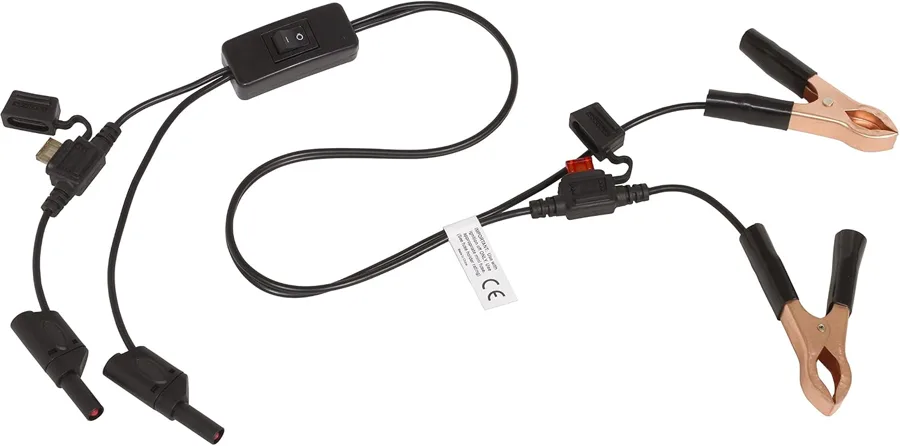
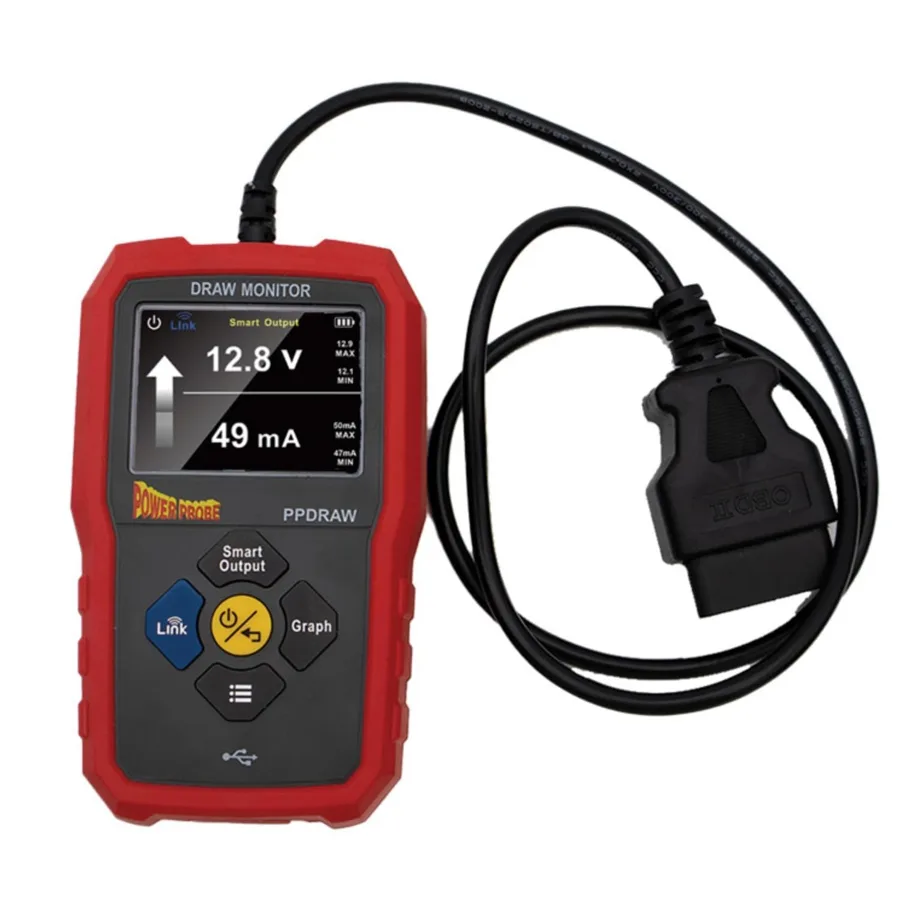
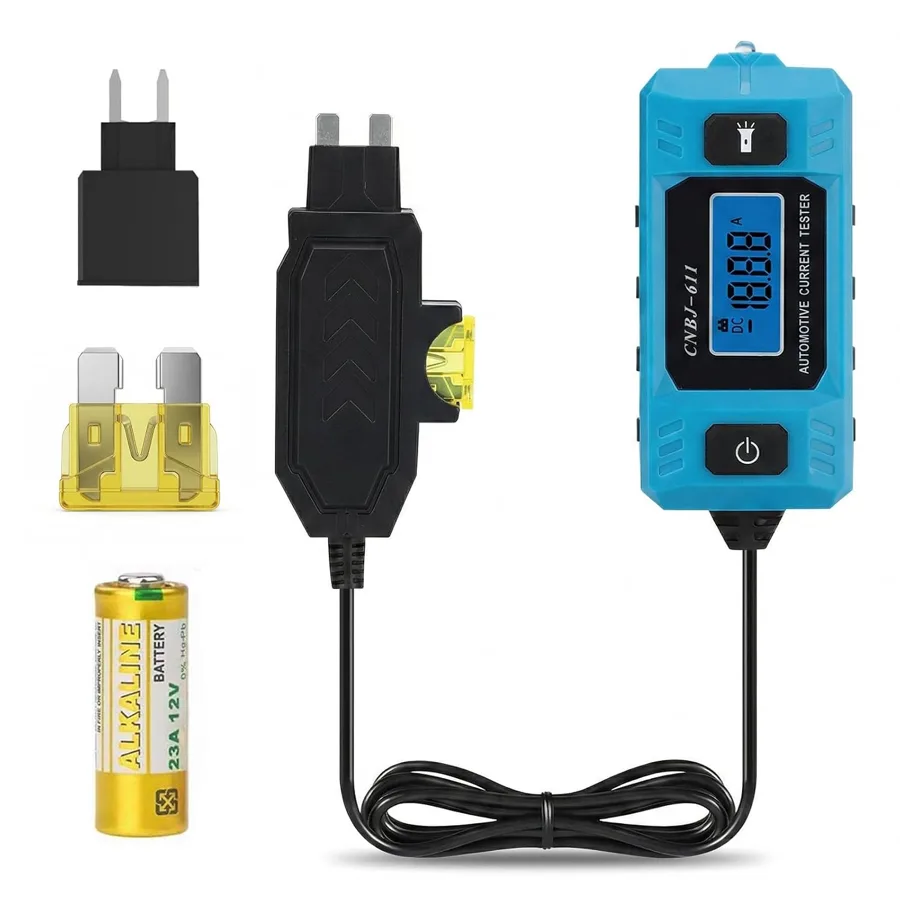
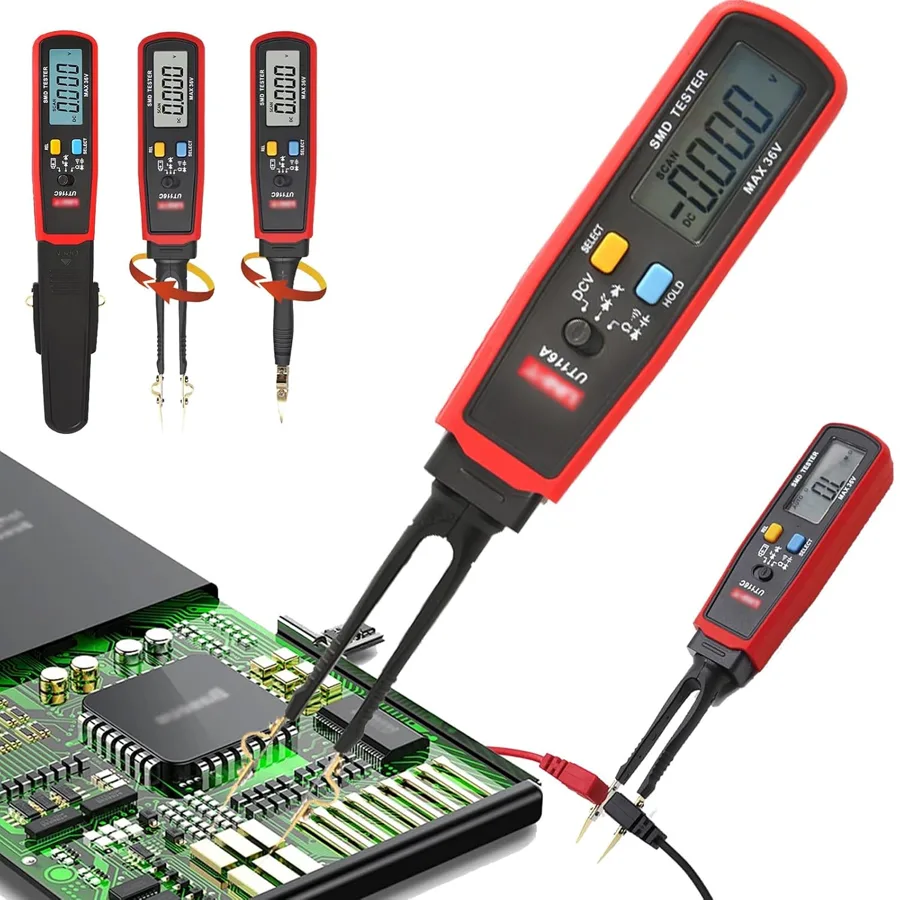
Then comes the choice of tool, and it is wider than it looks. There are four kinds of tool on the market: a multimeter bridge that needs your own meter, a fuse-slot probe that reads one circuit at a time, an OBDII monitor that ties you to the diagnostic port, and a volt pen that leaves you converting voltage into current.
What to look for instead is a display you can read at a glance, a fuse holder in the lead, clamps in the box and a readout that shows small numbers. Because these tools are built so differently, we lined all five up side by side before you spend a cent on the wrong one.
Here's what we found.
How We Compared Them
We lined up the five models on paper and compared specs, materials, design and included parts, plus what buyers praise and what they complain about. Four criteria carried the weight: Ease of Reading, Protection Features, Diagnosis Time and Included Parts. Each product earned its score from its own facts, and nothing was borrowed from another.
Ease of Reading asks whether the tool shows the draw itself or hands the job to a multimeter. Protection Features looks at fuses, bypass switches, alarms and cut-offs. Diagnosis Time counts the steps between parking the car and having a number, and Included Parts checks what arrives in the box. Where a product's name and its buyers disagreed, we gave the buyers' words more weight, since a parasitic draw tester is only useful if it reads current.
Our comparison put SleepWatt first because it is the one that pairs a built-in voltage and current readout with plain battery clamps, so it needs no second tool, no OBDII port and no fuse-slot adapter. The Lisle 64970 needs your multimeter, the Power Probe needs an OBDII port, the XENIVO needs room in the fuse box, and buyers describe the gitende as a voltage meter. For a parasitic draw tester, that independence decided most of the ranking.
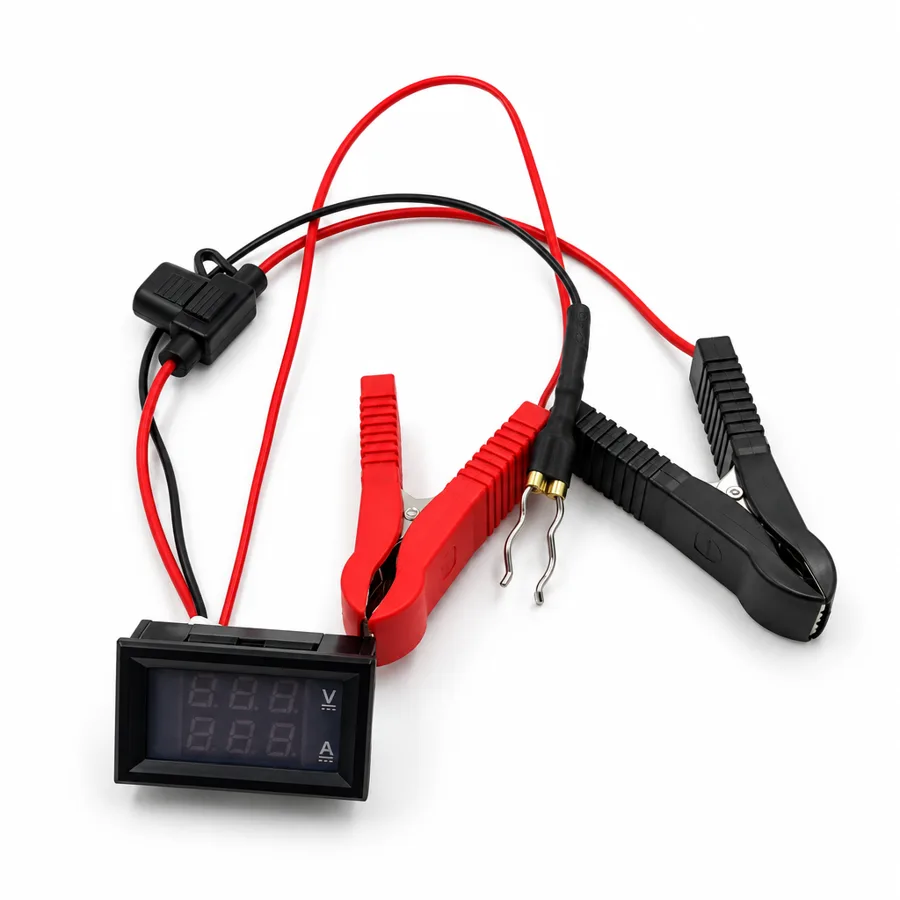
The kit adds the secondary strengths. Red and black insulated clamps are marked for positive and negative, a spring fork clip grips the post, and the leads arrive with the meter. It is complete for one job, which the others cannot say without an extra tool, port or adapter.
The honest limit is that it reads total draw and does not name the circuit behind it. That is minor for a first check, because one clear number tells you whether the hunt is worth starting. The XENIVO is the better pick only if you already know you want to chase a single fuse.
The Results:
SleepWatt is the top pick because it puts voltage and draw on one display, has an inline fuse holder on the positive lead and arrives with every clamp and lead you need.
Value
You stop guessing and stop borrowing a multimeter. You let the car sleep, clamp on and read one number that tells you whether the hunt is worth starting. The time you used to spend on setup goes to the actual fix.
Doing nothing has a cost you already know: another battery, another jump start, another morning when the car clicks and your schedule slips. A quick swap hides the problem rather than showing it. Knowing your draw is the first step out of that cycle.
The kit keeps the hookup simple. Insulated plastic handles make each clamp easy to position, an inline blade fuse holder sits on the positive lead, and a two-prong spring fork clip holds the post. Red and black color coding keeps positive and negative clear. It is a small, complete kit, and the next time the car clicks, you will know where to start.
Saturday in the Garage, Answer in Hand
Picture it: the car has sat locked for a while, you clamp the tool on and glance at the bottom row. You get a number instead of a hunch, and you know whether the battery or the car needs your attention. The hood closes and the weekend is yours again.
The same kit suits stereo and dashcam installers checking what a new add-on pulls, truck owners whose rigs sit for days at a job site, and classic-car owners coming out of winter. It also makes a thoughtful gift for the person who keeps grumbling about a dead battery.
Frequently Asked Questions
No. This model has its own LED display, with voltage on the top row and current on the bottom, three digits each. Clamp it on, follow the steps in order and read your parked car's draw. Your multimeter can stay in the toolbox.
For ordinary vehicles the ideal standby draw is about 20 to 50 mA, though it differs by vehicle model. Read it after the car has gone to sleep and you can see where your number lands. A reading well above that range is a sign something is staying awake.
It depends on your vehicle, because sleep time differs by model. Switch off, remove the key, lock all the doors and give the car's computers time to settle before you read the bottom row.
It is described as universal for automotive use. If you drive a 24V truck or an unusual system, check your vehicle's voltage and current needs against the tool before you order, so you know it matches your case.
The meter starts at 30 mA and shows 0 below that, which means no leakage. Above the floor, readings show in amps, so 50 mA appears as 0.05 A. If your car sleeps near that floor, read a 0 as under 30 mA.
Use this model as your first check. It reads total draw and does not name the circuit, so if the number is high, pull fuses one at a time to find the circuit behind it. Give the car a moment to settle after each one.
The steps have you loosen the negative terminal clamp while the tool bridges the connection, and it is marketed as non-power-off. Still, jot down your radio presets and clock as a precaution. Remove the tool before you reconnect the negative terminal.
No. Keep the ignition off with the key out, because starting the engine mid-check can burn out the fuse. Remove the tool first, then reconnect the negative terminal when you are done.
Purchase and Delivery Process
To order SleepWatt, use the button on this page. It opens the product page, where you can review the kit before you confirm.
Add it to your cart, check your details and confirm. The kit comes in red and black with the meter, leads, fuse holder, both clamps and the spring fork clip, so the whole hookup arrives together.
Where Can I Buy the SleepWatt?
Getting your own SleepWatt with a 50% discount is simple. Just follow these steps: