

We Compared the Leading Pocket Hole Jigs. Here's Why SilentSeam is #1:
 Written by Benjamin Carter
Many owners detour first. Some reach for biscuits or dowels, which mean more clamps, more dry fits and a joint that may still not pull tight. Others grab the first bargain pocket hole jig they find and learn that its clamp and guide were an afterthought.
What to look for instead is a short list. You want a clamp that locks the board in place so one person can drill, sleeves in hardened steel that resist wear, and metal in the parts that take the load. You also want a thickness setting you can read at a glance, because plywood often runs thinner than its label, and a kit that gets you to a first joint straight from the box.
That is why we lined up five jigs against the same four criteria.
Here's what we found.
How We Compared Them
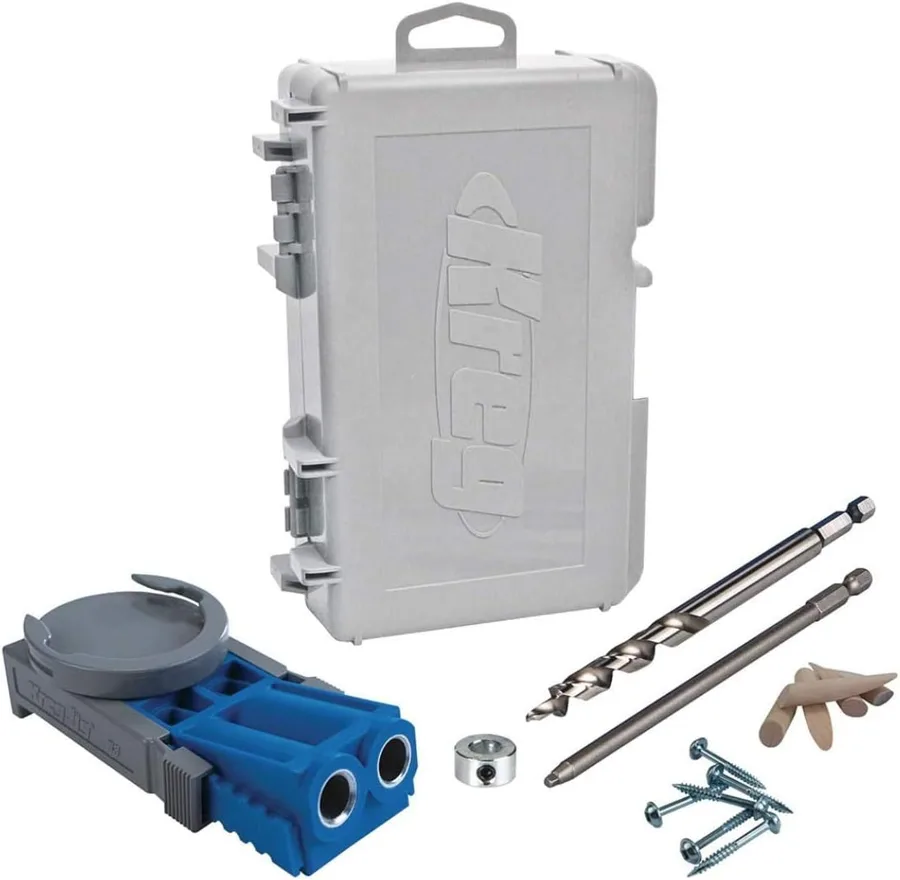
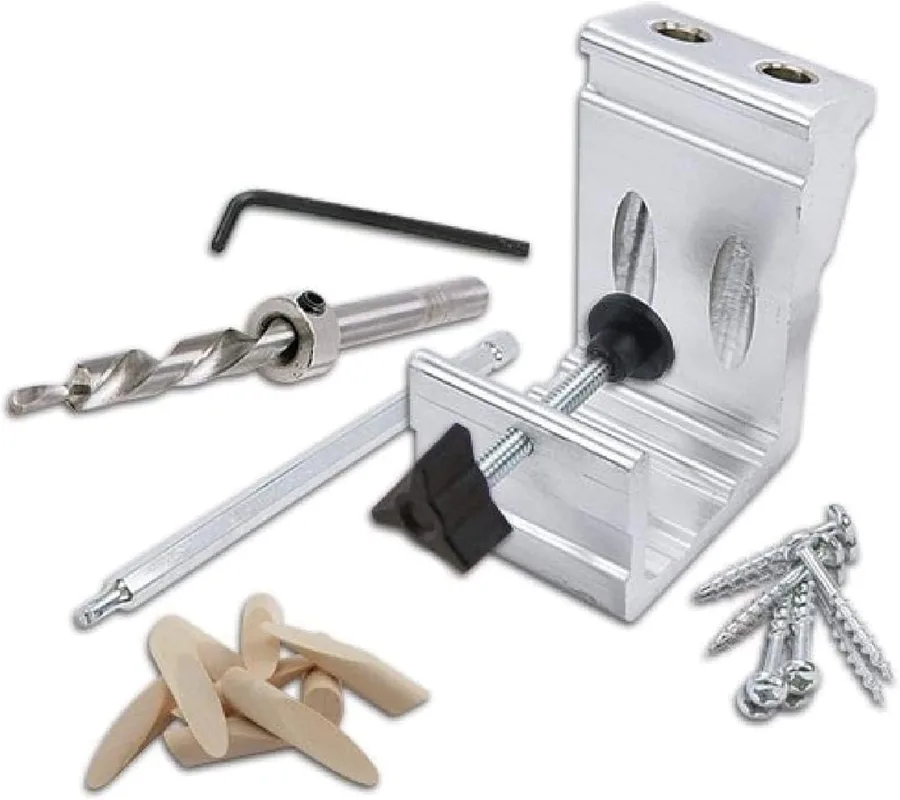
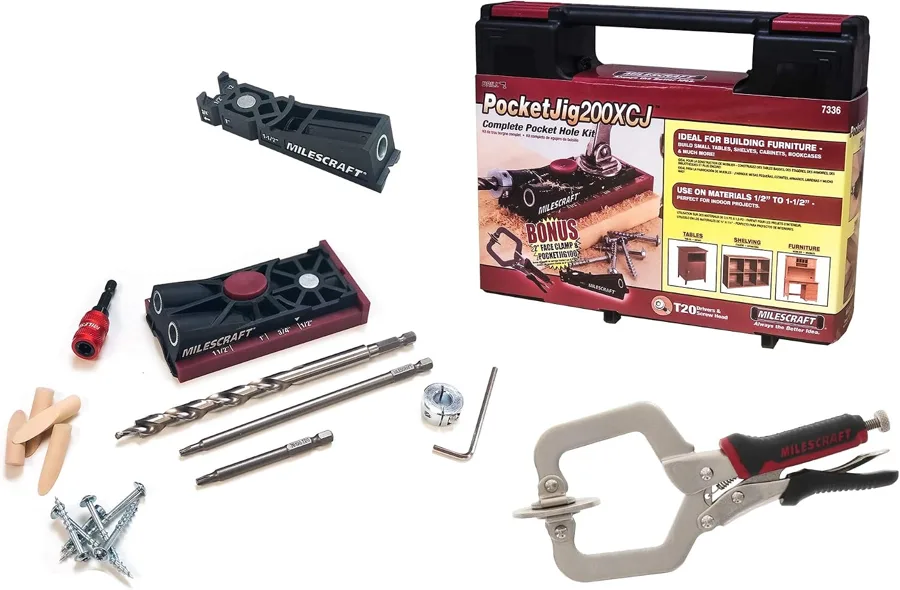
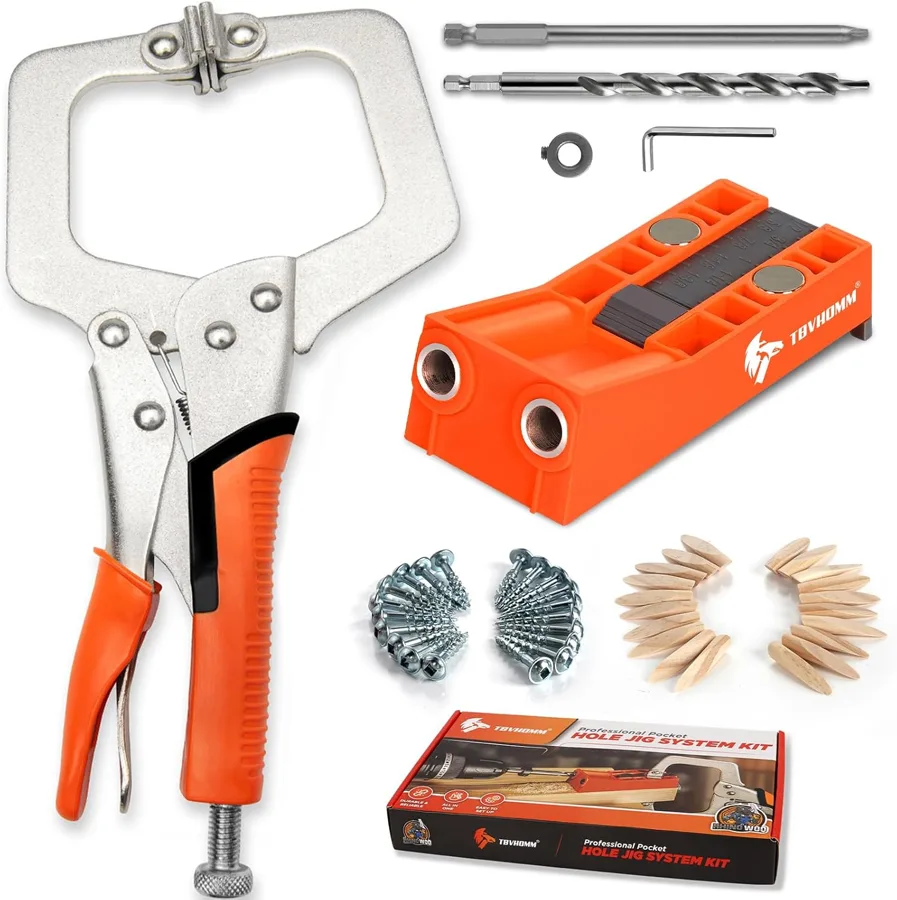
We compared the five on four criteria: Drill Guide Design, Clamping System, Build Durability and Thickness Adjustability. For each pocket hole jig we read the published specs, materials, parts lists and size charts, and looked at how the guide, clamp and thickness setting are designed.
This is a spec-based comparison, and we say so plainly. No jig was put through a project for this page. Each product was judged only on the facts that belong to it, so a plastic body counts as plastic and a built in clamp counts as built in. The scores in the rating bars come from reading those facts side by side.
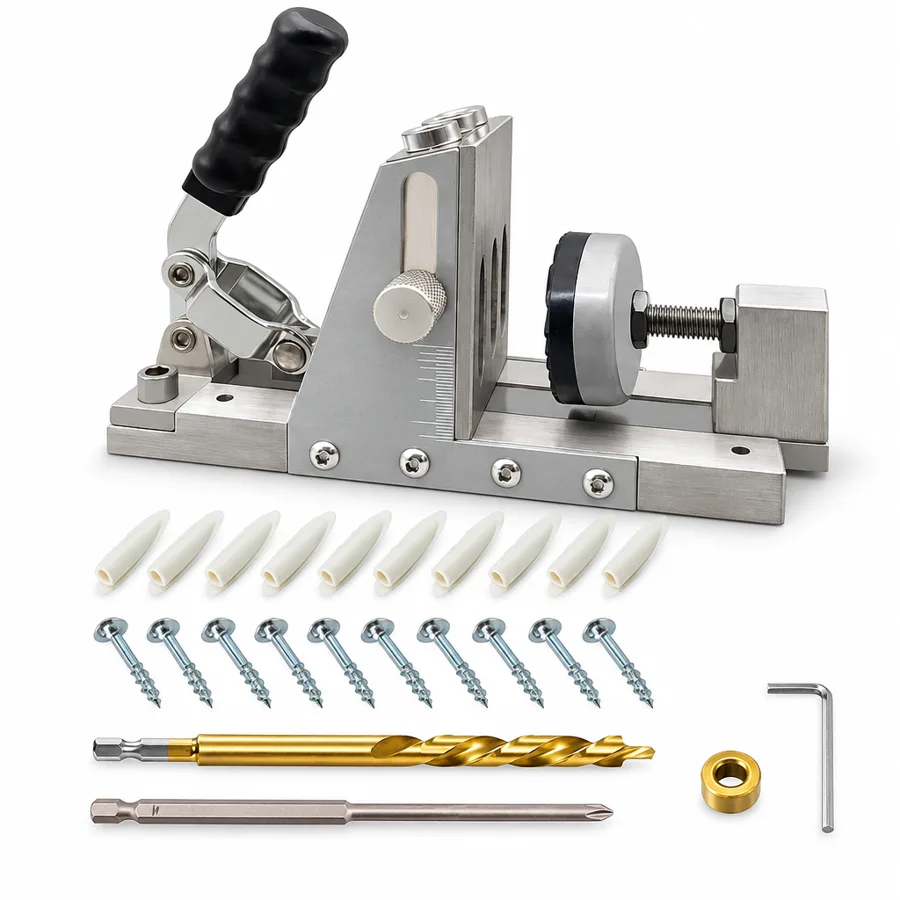
Our top pick led because it is the only one whose published specs name a cast-iron toggle clamp, hardened steel guide sleeves and an aluminum alloy body together. The board stays locked and the bit stays on line, which are the two things that decide whether a pocket hole comes out clean.
The secondary strengths add up. A stainless steel and rubber clamp pad protects the face of your wood, a laser-engraved scale in metric and imperial reads thickness for you, and fixing holes let you screw the jig to a bench. At 18.8 x 10 cm (7.40 x 3.94 in) and 1.32 kg (2.91 lb), it is a compact bench jig.
The honest limitation is range. The engraved scale covers 12 to 33 mm (0.47 to 1.30 in), so a full 2x4 is beyond it, and you still measure the real thickness of each board before you set it. For shelves, boxes and cabinet parts that is a minor trade, and the measuring takes seconds.
The Results:
SilentSeam is our top pick because it pairs a cast-iron toggle clamp with hardened steel guides, so your pocket holes stay on line and your screws stay hidden.
Value
You stop clamping with whatever is within reach and finish a joint alone. The toggle clamp and its rubber pad hold the wood while you drill, and the next joint starts from the same position, ready when you are.
Doing nothing has its own bill: a makeshift clamp that slips, a cheap guide you end up replacing, and a second pocket hole jig bought to fix the first. Those fixes cost more time than they save.
Long-term confidence comes from the build: an aluminum alloy body, a cast-iron clamp and hardened steel sleeves. The adjusting screw sets thickness against an engraved scale, so your settings repeat from one build to the next. Set it up once and trust it.
Your Next Shelf, With No Screws in Sight
Picture a Saturday in the garage. You lock a board under the clamp, drill three clean pockets, drive the screws with the PH2 bit, press in the plugs, and run your hand along a joint with nothing showing. The jig stays screwed to your bench, ready for the next cut.
New homeowners building first built-ins will find the engraved scale forgiving. Handymen fixing a loose table leg, parents building a play table for the holidays, and hobbyists making cabinet parts all get the same steady clamp and guide.
Frequently Asked Questions
Yes, with a careful setup. Plywood often runs thinner than its label, so measure the real board and set the jig on the engraved scale to that reading. The rubber clamp pad holds the sheet without marking its face, and a trial hole in scrap shows you the result before your good panel.
Poking through usually means the depth or screw length does not match the true board thickness. Measure the board, set the jig on the scale, fit the stop collar on the step drill, and drill until the collar stops. Check on scrap before you drill your good wood.
Screw length must match the thickness you measured, so choose it from the real board and not the label. Coarse threads suit softwood and plywood, while fine threads suit hardwood. The kit includes 10 pocket screws and 10 plugs, enough to cover your first joint.
The parts that carry the load are metal: an aluminum alloy body, a cast-iron toggle clamp and hardened steel guide sleeves. Only the gourd-shaped anti-slip handle is plastic, and it is there to keep your grip steady.
The scale covers 12 to 33 mm (0.47 to 1.30 in), with imperial marks from 1/2 to 1-1/4 in. A full 2x4 is about 38 mm (1-1/2 in) thick, so it sits beyond that range. For shelves, boxes, rails and plywood panels within the range, it fits well.
It measures 18.8 x 10 cm (7.40 x 3.94 in) and weighs 1.32 kg (2.91 lb) net, so measure your bench space first. The base has fixing holes, so you can screw it down.
Yes. You get 10 pocket screws, 10 plugs, a step drill bit, a PH2 driver bit, a stop collar and a hex key. There is no bracket in this kit, so your first joint is covered with what is in the box.
Stop drilling and check both before you go on. If a hole comes out ragged, look at the step drill bit. If the driver slips off the screw head, press it fully into the recess and check that it is not worn, because a slipping driver can round the head.
Purchase and Delivery Process
Measure the boards you plan to join and check that they fall within 12 to 33 mm (0.47 to 1.30 in). If they do, this jig is ready for your project.
Choose it, confirm your order, and your first joint is covered: the kit brings the screws, plugs, step drill, driver bit, stop collar and hex key.
Where Can I Buy the SilentSeam?
Getting your own SilentSeam with a 50% discount is simple. Just follow these steps: