

We Compared the Leading PWM Motor Speed Controllers. Here's Why Slowlark is #1:
 Written by Emma Collins
So you shop around, and the big amp number on the box looks like the whole answer. It is not, because the current a board can carry falls as voltage rises. What counts is the watts allowed at your voltage, and a bare 30A figure says nothing about that.
Look instead for a pwm controller whose maker publishes limits per voltage, a high switching frequency for quieter running, a case you can screw down and cover, and controls within reach. Check the motor type too, since brushed DC and brushless motors need different devices.
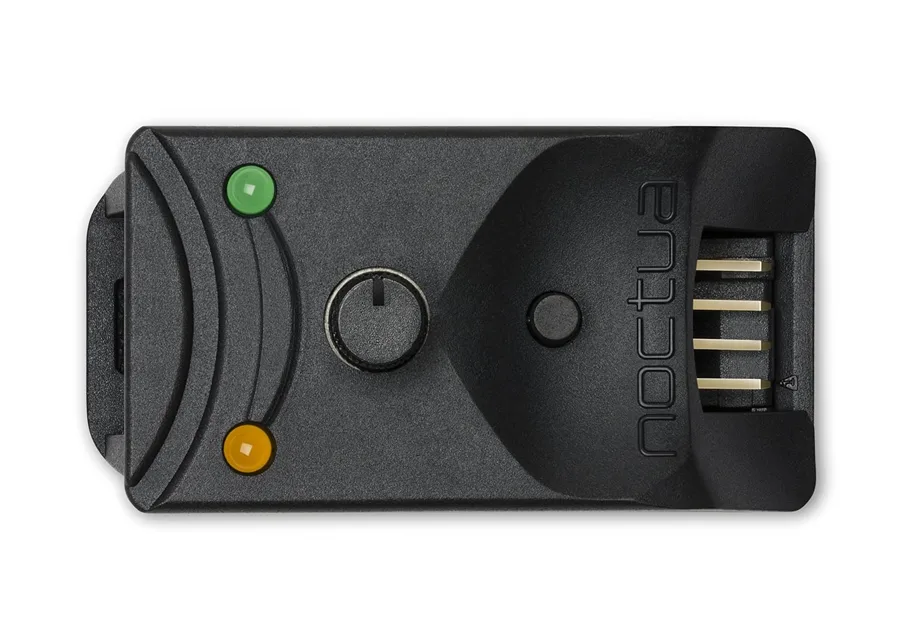
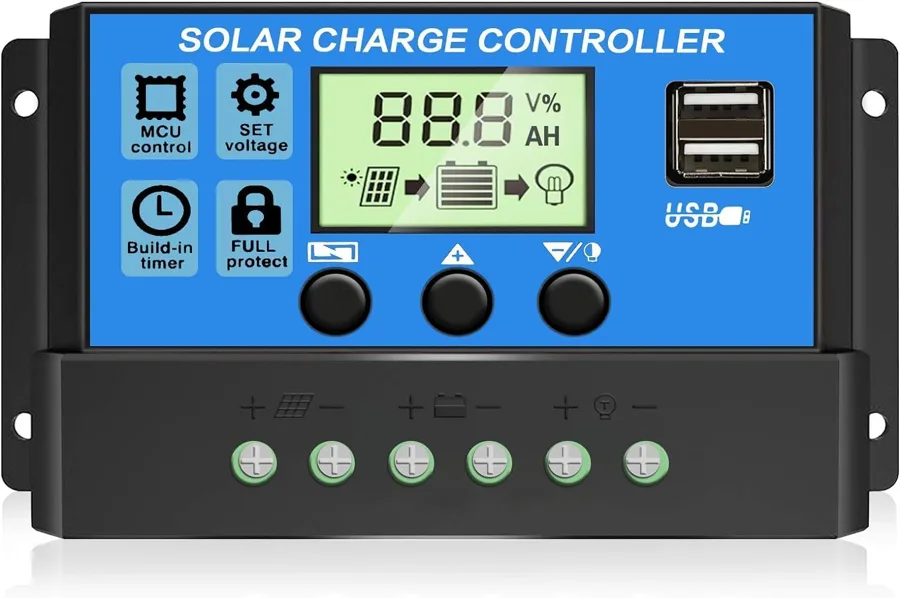
The names blur together on a search page, and some results are built for PC fans or solar panels, not motors. That is why we set the contenders side by side and read what each is made to do and what buyers say about it, so you can see which one earns a place on your bench.
Here's what we found.
How We Compared Them
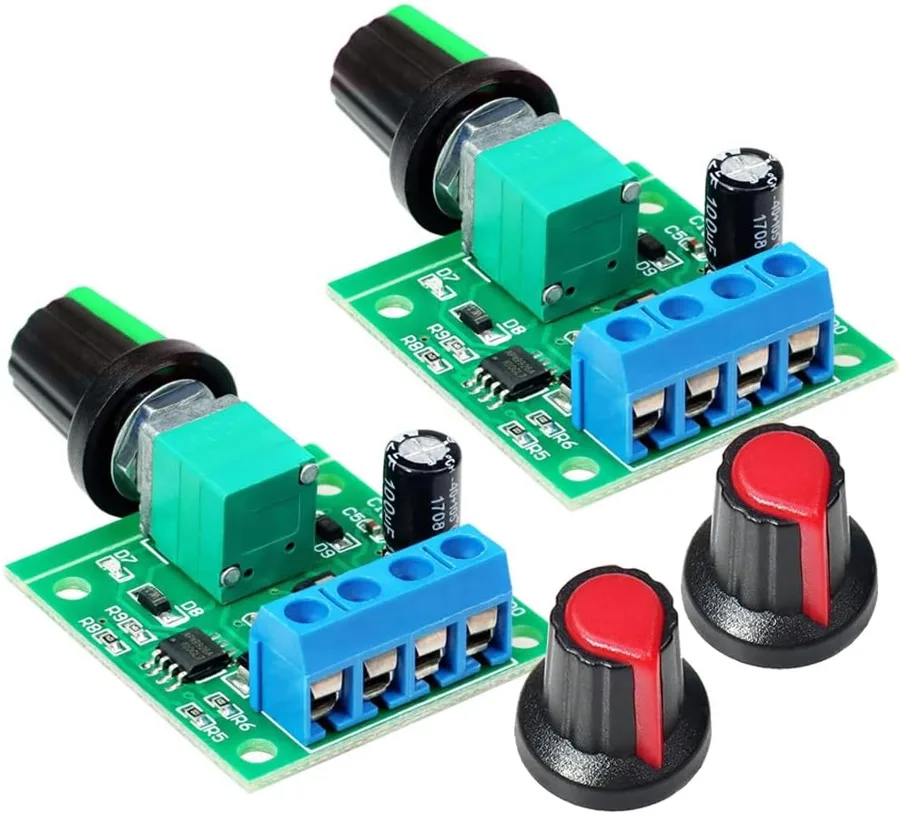
Five products went into this comparison, from brushed motor boards to a PC fan unit and a solar regulator. To rank every pwm controller on one scale, we used four criteria: PWM Frequency, Housing and Cooling, Control Features and Current Handling. These came from what buyers weigh most when a motor runs too fast, too loud or too hot.
We compared published specs, parts, materials, dimensions, design and real buyer feedback, including what people praise and what they complain about. This is a paper comparison: nothing was run on a bench. Where a product is made for a different job, we say so plainly and score it on how well it fits the speed control task.
On paper, our top pick came out ahead on power headroom. Its published limits are 300W at 12V, 400W at 24V, 450W at 48V and 500W at 60V, across 7 to 70V and 30A. Its closest rival lists less at 12, 24 and 60 volts and matches it at 48V.
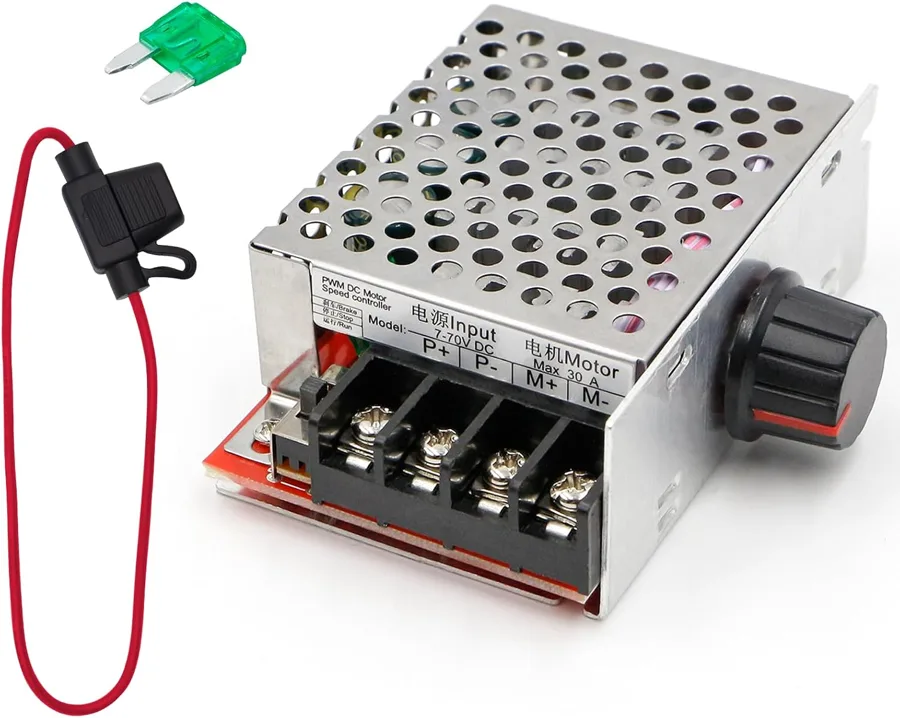
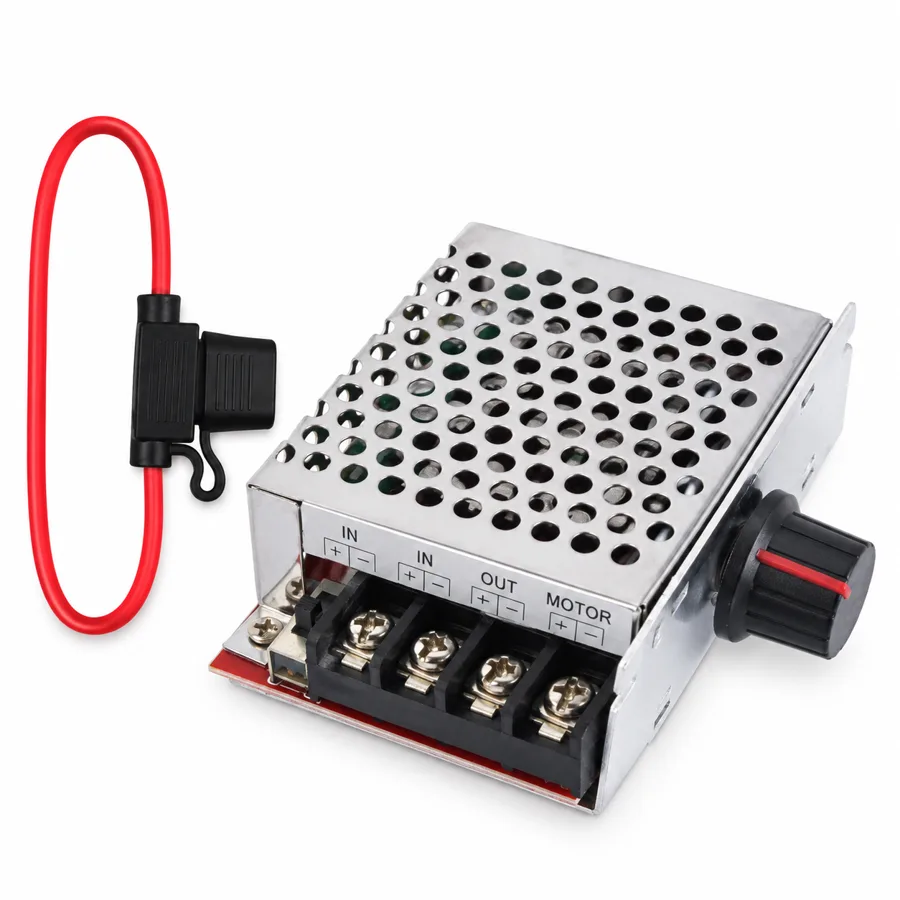
The secondary strengths are about reach and fit. You can stop or brake with one slide, mount the dial away from the board on a 15 cm (5.9 in) cable, and screw the covered case down by its side flanges. A fuse holder with a 30 cm (11.8 in) lead comes in the box, four marked terminals keep the wiring straight, and the 12 kHz drive helps keep whine down.
The honest limitation is scope. It drives brushed DC motors only, it needs your own DC supply, and reversed input polarity damages it. That is minor because it is a normal brushed DC job, and the terminals are marked to keep the wiring straight.
The Results:
Slowlark is our top pick because it pairs a 12 kHz drive and a full Run, Stop and Brake control set with higher published power limits than its closest rival at 12, 24 and 60 volts.
Value
With this controller you stop working around full power. No more guessing with resistors, no taping together a switch, no standing by while a ride-on jerks off the line. You set the pace with a knob and halt the motor with one slide.
A makeshift switch or a resistor still leaves a motor with one speed, and a proper control point replaces both.
The build is plain to read: a perforated metal case with mounting flanges, a replaceable blade fuse, high-voltage MOS transistors, three 100V capacitors and published limits for each voltage. Stay within the power limit for your voltage and keep the fuse in line. Clear limits, a clear dial, a clear stop switch.
Your Motor, Running at Your Pace
Picture the driveway after the upgrade: the ride-on rolls off at the pace you chose, the bench fan hums while you work, and the sprayer pump puts out only what the nozzle needs. You reach for the knob, not for a toolbox.
The same controller suits an RV owner with a loud vent fan, a gardener with a sprayer pump or a maker with a bench fan, or any brushed DC motor within the voltage and power limits. Anyone who wants a calmer motor and a clear dial will feel the change.
Frequently Asked Questions
Brushed DC motors only. It will not drive brushless motors, and it cannot take AC input. You also need your own DC power supply, because one is not included.
It covers 7 to 70V, with 70V as a working voltage, so leave margin. Higher voltage means less usable current, and the published power limits are set per voltage: 300W at 12V, 400W at 24V, 450W at 48V and 500W at 60V. Stay below the figure for your own voltage.
If the motor is brushed DC and your battery falls in the 7 to 70V range, the knob lets you turn the speed down. Stay within the power limit for your voltage, and check your motor type first.
Higher voltage means less usable current, so keep your load inside the limit for your voltage. Also check that the input polarity is correct, since reversed polarity damages the controller. The blade fuse is a replaceable car type, so you can swap it.
The DC supply goes to P+ and P-, and the motor goes to M+ and M-. Motor leads are not polarity sensitive, so swap them to reverse direction. Slide the switch to Run before you turn the knob.
Yes. The red and green board options both come with an inline holder, a replaceable car-type blade fuse and a 30 cm (11.8 in) red wire. The holder has a cover, so the fuse sits protected in line.
Yes, if the motor is brushed DC and stays within the 12V power limit of 300W. The knob sits on a detachable cable of about 15 cm (5.9 in), so you can place the dial where it suits your fan or pump.
The module measures 90 x 59 x 34 mm (3.54 x 2.32 x 1.34 in). Measure the free length, width and height of your space, and leave room for the side flanges and the knob cable.
Purchase and Delivery Process
Ordering is straightforward. Open the store page for Slowlark, choose a red or green board, and add it to your cart.
The store page shows the current offer, the options and the delivery details for your region. Check them there before you confirm.
Before you order, note your motor type and voltage and measure the space for the 90 x 59 x 34 mm (3.54 x 2.32 x 1.34 in) module.
Where Can I Buy the Slowlark?
Getting your own Slowlark with a 50% discount is simple. Just follow these steps: