

We Compared the Leading Stirrup Hoes. Here's Why Tallrow is #1:
 Written by Jake Thornton
A stirrup hoe works differently. Its blade slides right under the surface, so a push and a pull cut the roots instead of chopping up the bed. The handle is the other half: matched to your height, it keeps your back upright instead of folding you over, and threaded joints give you something you can tighten.
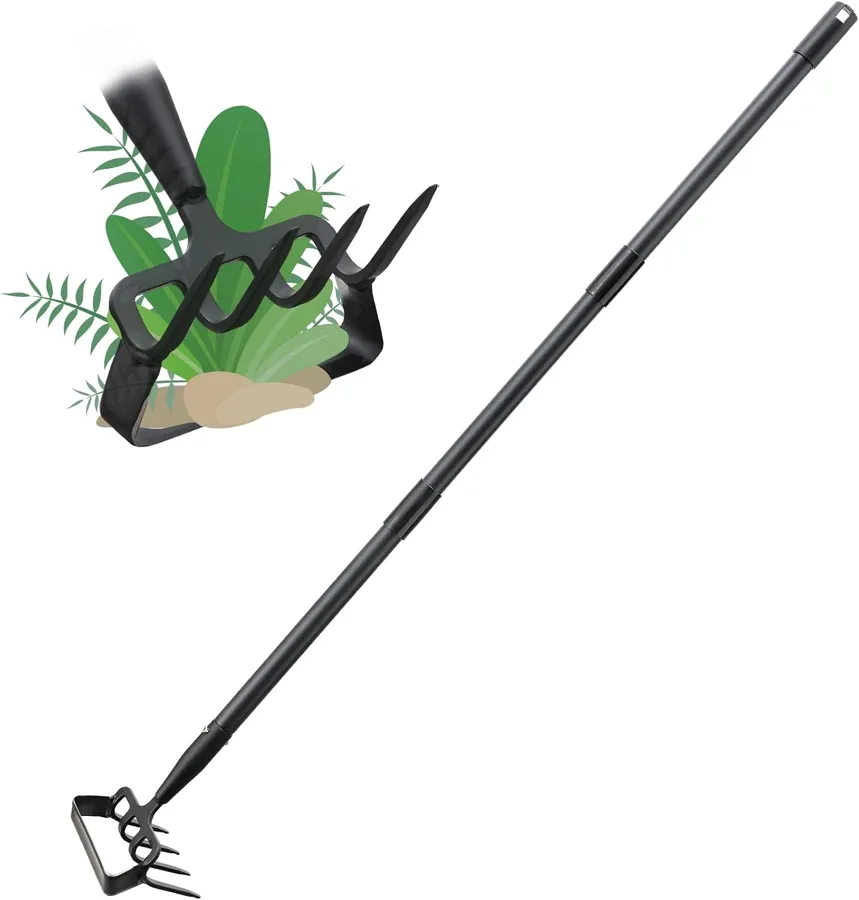
That is also where most models part ways. Some have a fixed pole, some press sections together, and some add tines that dig rather than slice. What to look for is a short list: a reach that fits you, a sharp wide blade, joints you can tighten, and metal that copes with damp beds, because the best time to weed is right after watering or rain.
Those details are spread across specs, materials and size charts, and they rarely line up in one place. So we set five models side by side and weighed their specs, materials and real buyer feedback, to see which ones back up the promise and where each one earns its place.
Here's what we found.
How We Compared Them
We compared the five models on four criteria: Handle Length Range, Push-Pull Efficiency, Build and Durability, and Weight and Handling. For each one we read the published specs, materials, parts and size charts, then checked the design against what real Amazon buyers praise and complain about.
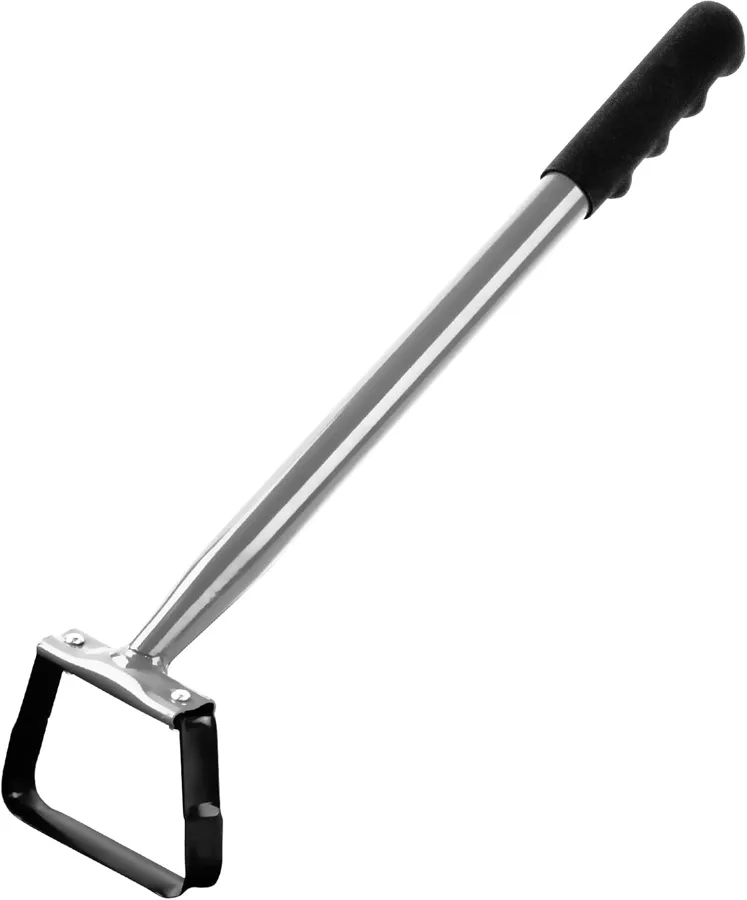
This is a paper comparison. Nobody swung these tools on a plot, so we weighed claims against concrete details: pole lengths, blade dimensions, how the sections join, and the metal used. Where a model is a hand tool or a tined cultivator, we judged it on that design instead of forcing it into a stirrup hoe mold.
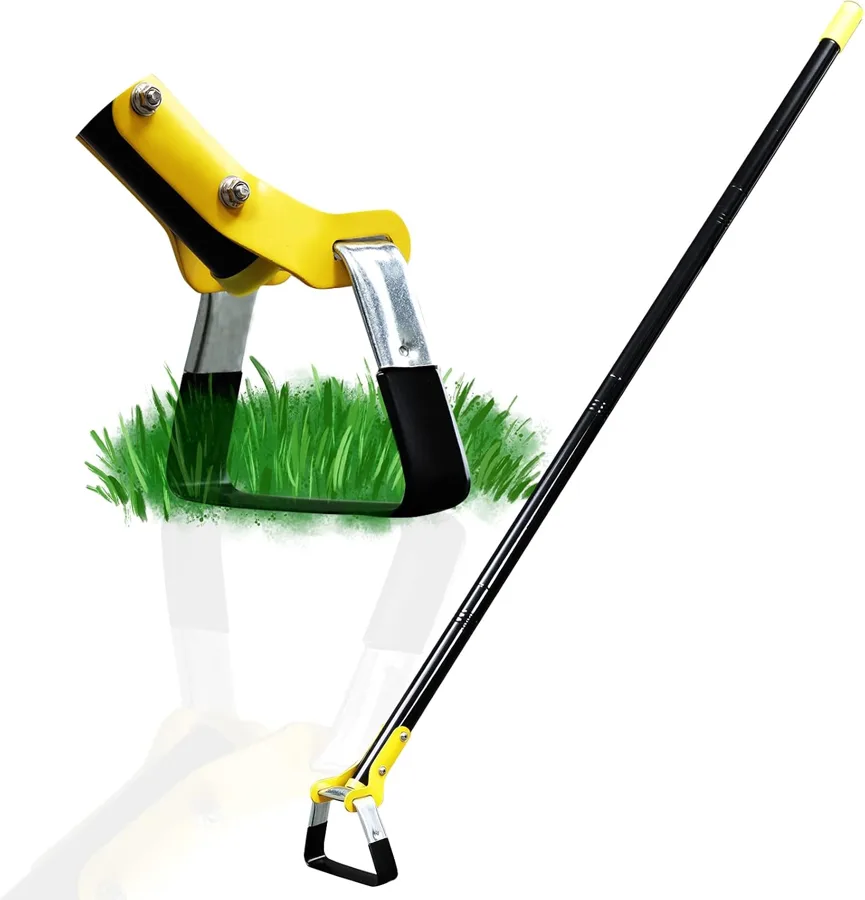
The comparison showed our top pick leading on the two things that decide whether you stay upright: reach and rust resistance. Its four pole lengths span 116 cm (45.7 in) to 227 cm (89.4 in), the widest range of the five, and the stainless steel pole is described as rust-proof and corrosion-resistant.
Secondary strengths add up. The sharp triangular blade is about 14 cm (5.5 in) wide and hollow, the head bracket is bolted at two points, and the yellow end cap is labelled anti-slip with a hole for hanging. The same tool also covers trenching, loosening and sowing, and the sections unscrew for storage.
The honest limitation is weight. Net weight runs from 0.83 kg (1.83 lb) to 1.25 kg (2.76 lb) depending on length, against about 454 g (1 lb) for DonSail and the Oliynedy models. It is minor, because the extra grams are the steel of a longer pole, and you choose the length you actually need.
The Results:
After comparing specs, materials and real buyer feedback, Tallrow is our top pick because it combines the longest reach range with a rust-proof stainless pole.
Value
With the right hoe you stop crouching and pulling one weed at a time. You stop kneeling on damp ground, stop leaning on a pad, and stop patching a wobbly handle with tape and good intentions. One pass along the bed, standing tall, replaces a long slog.
Doing nothing has a cost. The towel or kneeling pad keeps slipping, your back pays for every Saturday spent folded over, and a cheap weeder that bends or comes apart gets replaced, then replaced again. Meanwhile the weeds you skipped go to seed.
Here the pole is stainless steel, the sections thread together, and the head bracket is bolted to the pole at two points. Pick the length that fits you and check the joints now and then. After that, the beds are yours to keep clear.
Your Garden, After the Switch
Picture Saturday morning after the rain. You carry the hoe to the bed, stand tall, and slide the blade under the seedlings in a steady push and pull. Back straight, hands on the grip, and the rest of the weekend is yours.
It works for more than one gardener. A tall spouse and a shorter one can each pick the right pole length, allotment holders can clear straight rows, and anyone with raised beds can trench, loosen soil and sow without reaching in. Unscrew the sections and it tucks into a tight shed.
Frequently Asked Questions
The sections thread together by rotating and unscrew the same way. Twist each joint firm before you start and check them again after a long session, as you would with any segmented tool.
Yes, because you choose the length. The shortest option is 116 cm (45.7 in) for tight raised beds, and the longest is 227 cm (89.4 in) for deep ones. The sections also unscrew, so the pole comes apart for storage.
Stirrup, scuffle and hula hoes are names for the same push-pull style, where a blade slides under the soil surface to cut weed roots. This model is that design on a long pole, so you stay upright instead of chopping.
It is best on young weeds in prepared beds, where a sharp, wide blade slides under the roots. For woody or established growth, a stronger tool is the better choice. Use this one early and often so weeds never get that far.
Brand names don't cut weeds. The sharp, wide blade, the threaded joints and the head bracket bolted at two points do, so check the joints before you start and you will know exactly what you have in hand.
The pole is stainless steel and described as rust-proof, waterproof and corrosion-resistant, so damp beds are no problem. A quick wipe after use is still a good habit with any garden tool.
Besides weeding, it handles trenching, furrowing, loosening soil and sowing. One long-handled tool covers several jobs in your vegetable and flower beds.
Measure your height and how far you need to reach into your deepest bed. Then compare it with the four options: 116 cm (45.7 in), 153 cm (60.2 in), 190 cm (74.8 in) and 227 cm (89.4 in).
Purchase and Delivery Process
Choose the pole length that matches your height and your deepest bed: 3, 4, 5 or 6 sections, from 116 cm (45.7 in) to 227 cm (89.4 in). It is the one choice that shapes how the hoe fits you, so measure before you order.
When it arrives, thread the sections together, tighten the joints, and start weeding. When the job is done, unscrew the sections and hang it up by the hole in the end cap.
Where Can I Buy the Tallrow?
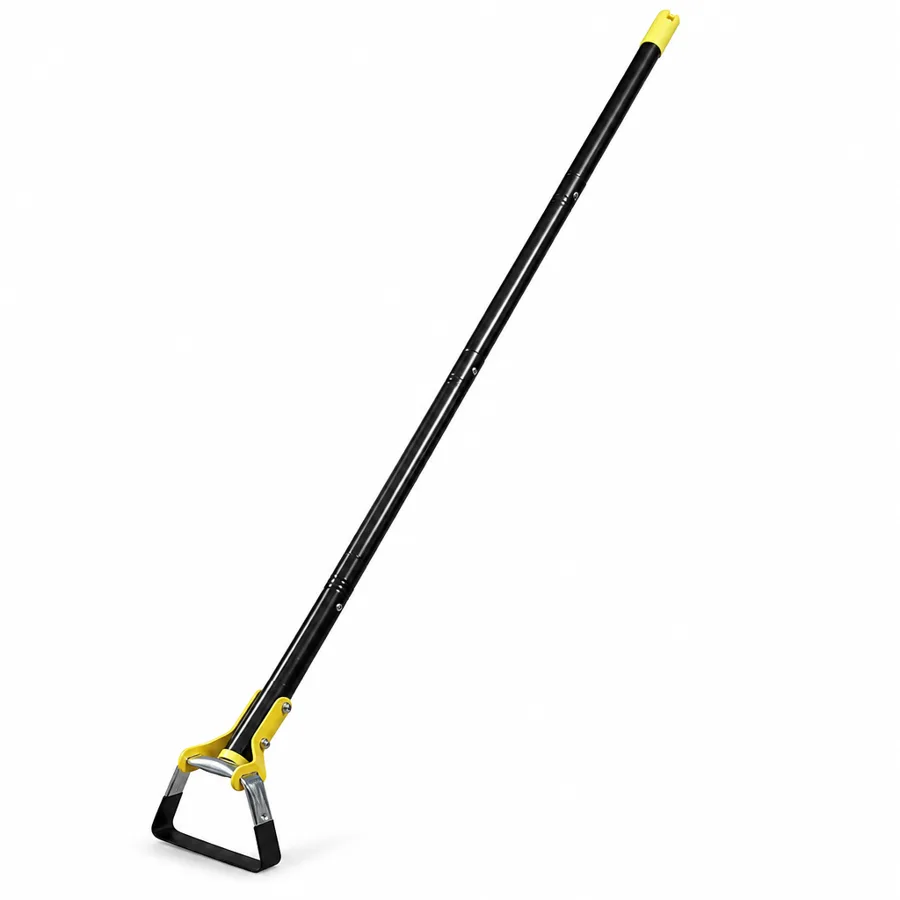
Getting your own Tallrow with a 50% discount is simple. Just follow these steps: