
We Compared the Leading Tee Poppers. Here's Why SwingAlone is #1:
 Written by Jessica Harmon
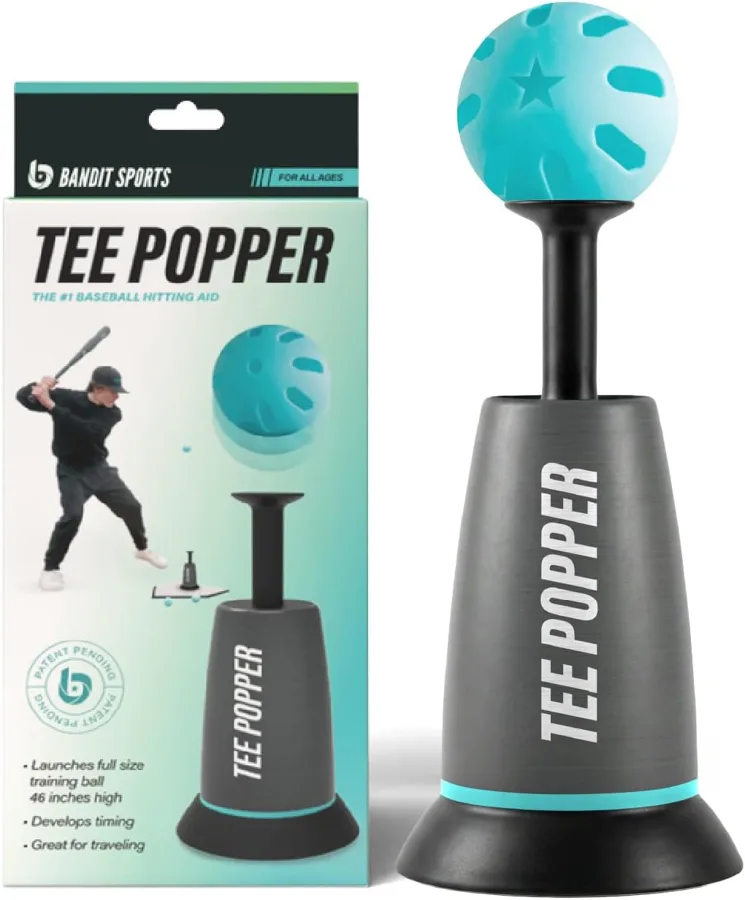
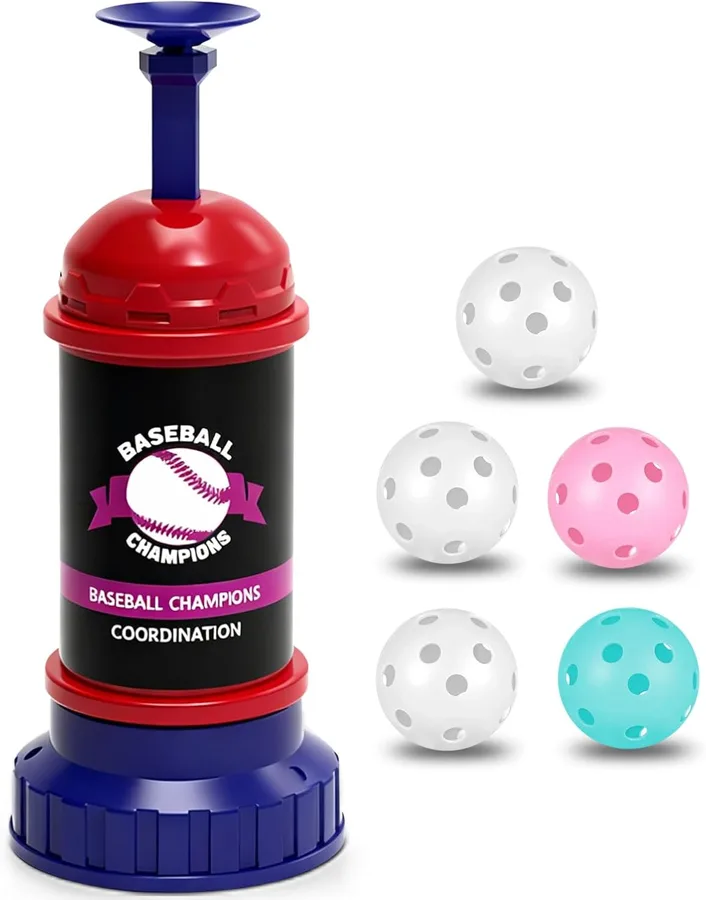
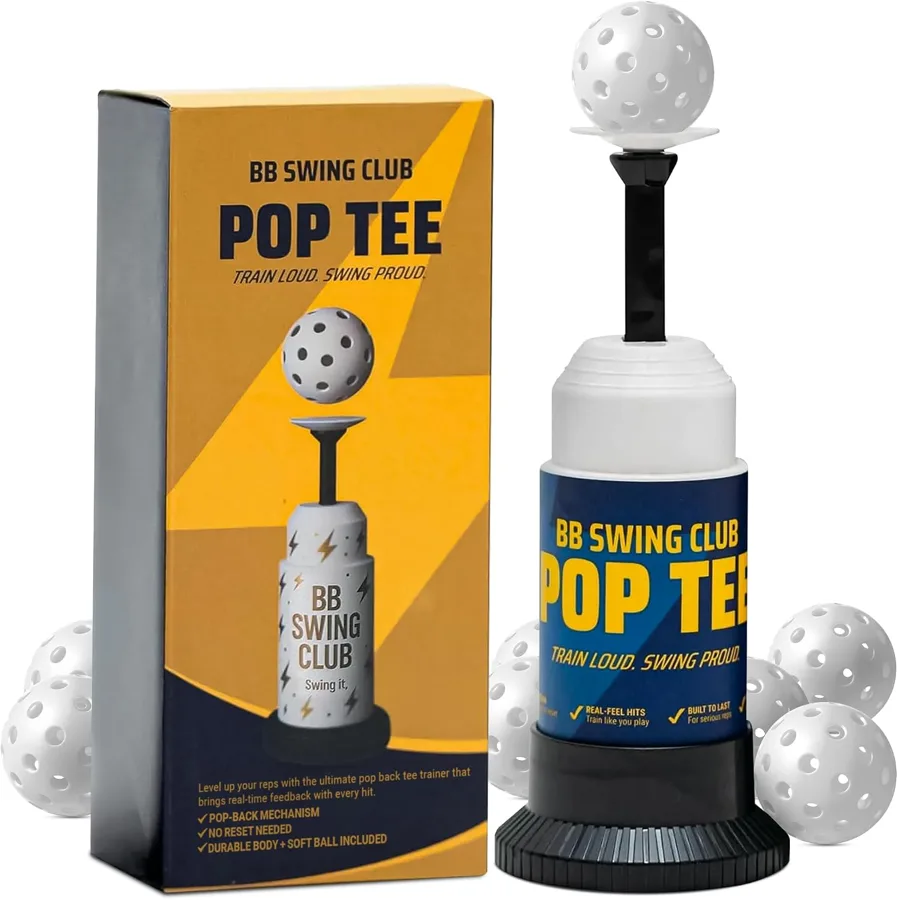
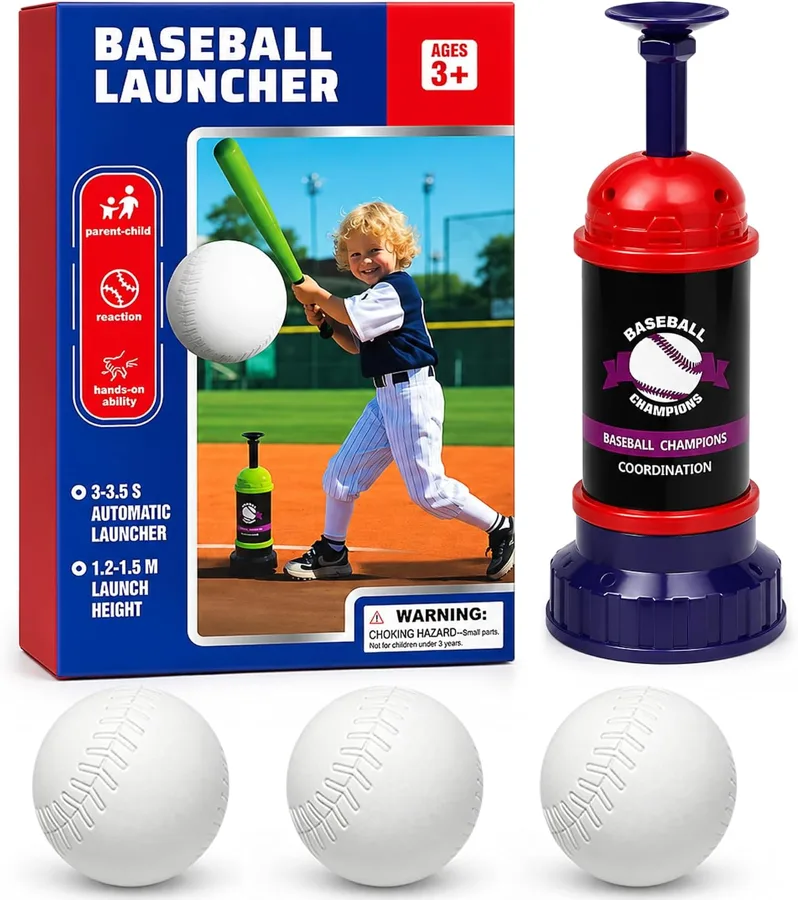
Before you compare models, decide which kind of solo trainer you want. Poppers move the ball: you load a spring, step back and swing at a rising target, which asks for balls made for the mechanism and a unit with more parts. Tee-style trainers hold the ball still on a cup, which asks for little beyond a place to swing.
SwingAlone, our top pick, is the second kind. It is a tee, not a popper, so it gives you repeatable solo reps rather than timing on a rising ball. That is a real trade, and for some hitters it is the wrong one. For others it is the point: less to carry, less to learn.
Either way, the same questions apply. How much does it ask of you to start a rep, which balls does it work with, how is it built, and how easily does it travel? Those became our four criteria. With five designs that range from a one ball cup tee to a full tee popper set with bat, stakes and bag, we lined them up side by side to see which earns a place in your driveway.
Here's what we found.
How We Compared Them
We compared the five products on paper, using published specs, materials, kit contents, dimensions, weights and Amazon ratings. Buyer reports shaped a point only where they bear on it, and we read every design against the same facts.
Four criteria guided the ranking: Build Durability (materials and build), Solo Independence (how much help and gear you need to take a rep), Ball Compatibility (which balls each unit works with and what the wrong one does) and Portability (weight, size and how it packs). Each product was scored against the same four, then set side by side.
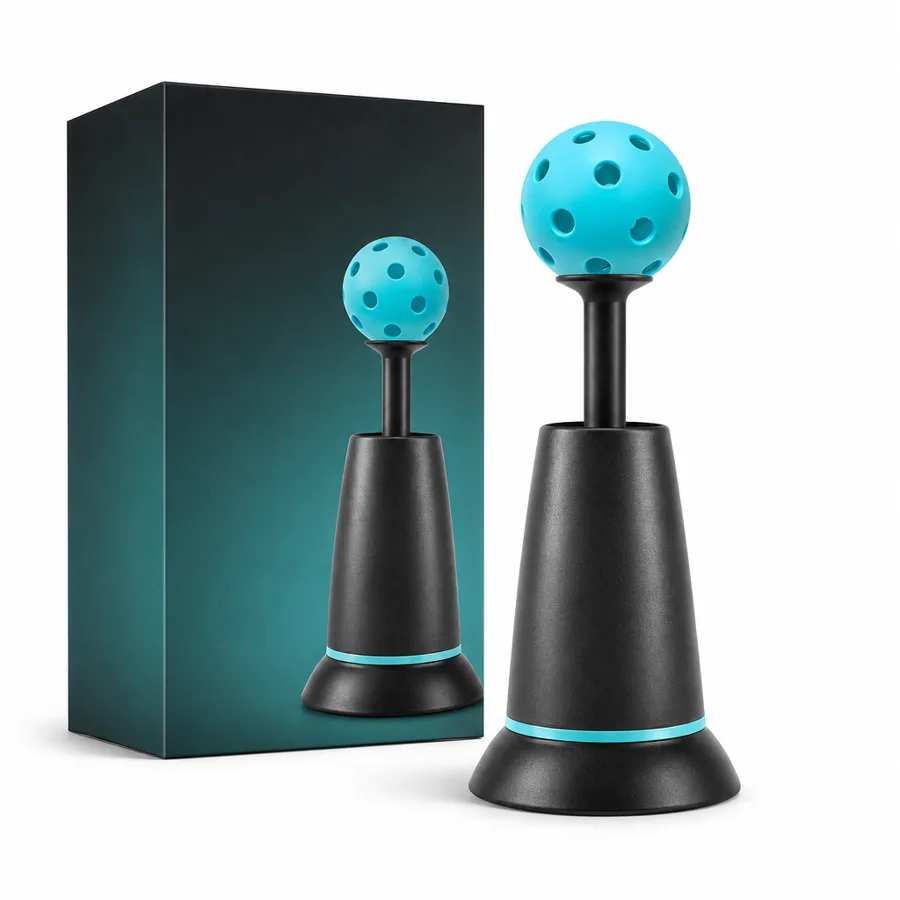
SwingAlone came first because it removes the most steps between you and a swing. At 29 cm (11.4 in) tall, it is small enough for a bag, and at 168 g (5.9 oz) net it is light enough that carrying it is no chore. The stem slides into the cone-shaped base, so it packs away in seconds, and the 12.5 cm (4.9 in) base needs little room.
Secondary strengths add up. The hollow perforated ball is 7.5 cm (2.95 in) wide, and the kit comes with one ball or three, so you decide how often you walk to retrieve. The body is injection-molded ABS with no battery or charger to manage, and the trainer suits both baseball and softball.
The honest limitation is that it is a cup tee, so the ball does not rise on its own, and it is intended for hitters 14 and older. If a rising ball is what you want, choose a popper; if you want simple solo reps, this fits.
The Results:
SwingAlone is our top pick because it is a light, simple way for a teen or adult hitter to take solo swings anywhere.
Value
Think about what you stop doing. You stop waiting for someone to be free, stop asking a tired arm for one more toss and stop hauling out a bulky rig that eats floor space. The trainer you can carry is ready when you are.
Doing nothing has a cost too. Every evening spent waiting on a tosser is a block of reps you don't get back, and the swings you meant to take before dinner become swings you skipped. Missed reps add up, and so does the frustration.
This model is made to come along. It is injection-molded ABS and weighs 168 g (5.9 oz), and the 3 ball kit adds spares to keep a session moving. Set the base down, slide the stem in, rest the ball on the flat cup top and swing on your schedule.
Your driveway, your schedule
Picture the after scene. School is out, dinner is twenty minutes away, and you step outside, set the base down and take your swings. No calls, no waiting, and when you're done the stem slides in and the trainer goes back in your bag.
It is not only for the driveway. Softball players, travel ball families and teens working out before a weekend game can all use solo reps at the park. Coaches can also hand one to a player while they work with someone else, as long as the hitter is 14 or older.
Frequently Asked Questions
It is a tee-style trainer, so the ball sits still on the cup, as on a regular tee. What it adds is portability: it stands 29 cm (11.4 in) tall, weighs 168 g (5.9 oz) and the stem slides into the base to pack away. If you want a ball that moves, choose a tee popper instead.
No. It has no electronics. It is a base, a stem with a flat cup top and a ball, so you set the ball on the cup and swing.
Use the hollow perforated ball that comes in the kit, 7.5 cm (2.95 in) wide with round holes. Many poppers warn against real baseballs, so it pays to check which ball each trainer is built for.
It doesn't. This is a cup tee, so the ball rests on the flat cup top at a set height and waits for your swing. If a rising ball matters to you, a popper is the better match.
It is an injection-molded ABS trainer. Like any trainer, it is meant for swinging at the ball, not at the stem or the base.
Both kits include the same base with stem and cup tee. Start with the 1 ball kit if you only need a place to set the ball, or choose the 3 ball kit for two spares so you can keep swinging.
It is intended for hitters 14 and older. That makes it a fit for teens and adults who want solo reps. For younger players, look at the kids' set in this guide.
Both. It is made for baseball and softball batting practice and for solo training, so it works for anyone who wants extra swings without a tosser.
Purchase and Delivery Process
Choose the 1 ball or 3 ball kit that fits how you practice. The 1 ball kit brings the base with stem and one perforated ball, and the 3 ball kit adds two spares.
Then confirm your order and get ready for your first session: set the base down, slide the stem in and take your swings.
Where Can I Buy the SwingAlone?
Getting your own SwingAlone with a 50% discount is simple. Just follow these steps: