

We Compared the Leading Tin Snips. Here's Why EasyKerf is #1:
 Written by Emma Collins
Once you know leverage, grip and edge are the problem, the question is which features actually fix them. The checklist is short. You want compound leverage so each squeeze does more, and a serrated edge that holds the metal where you set it.
Then look at the blade and the handle. Hard blade steel with a heat-treated edge matters for aluminum and sheet, and an overmolded grip gives your hand a firm place to hold. Last, match the cut direction to the work, because straight, left and right snips handle curves differently.
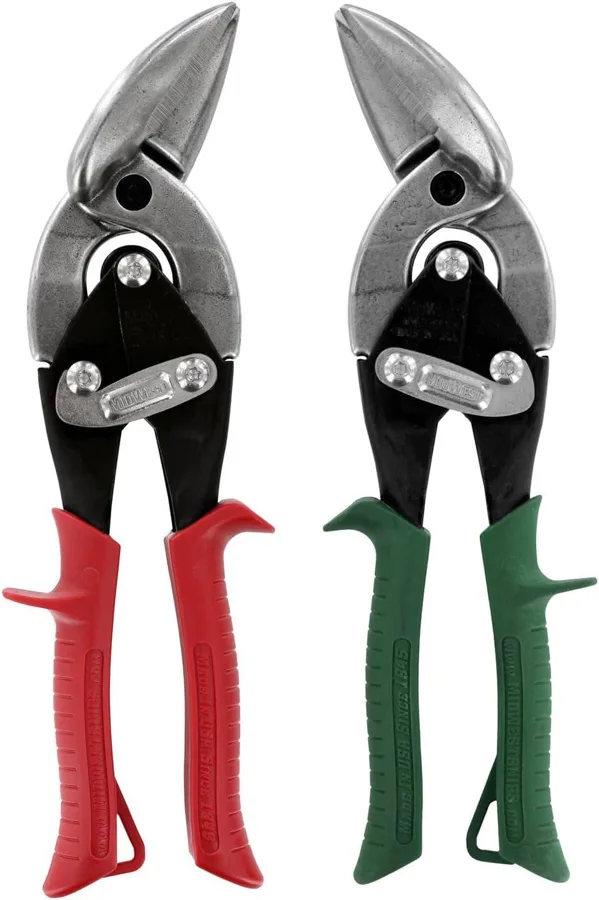
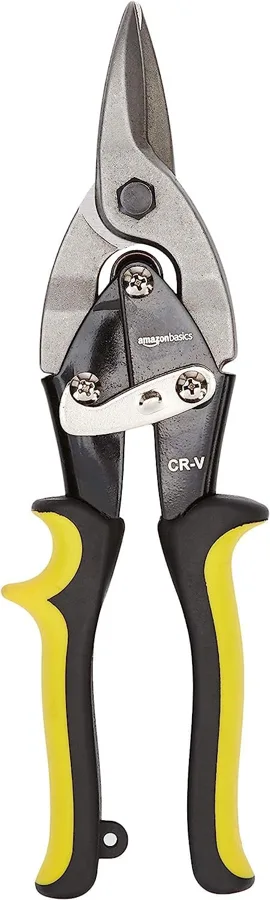
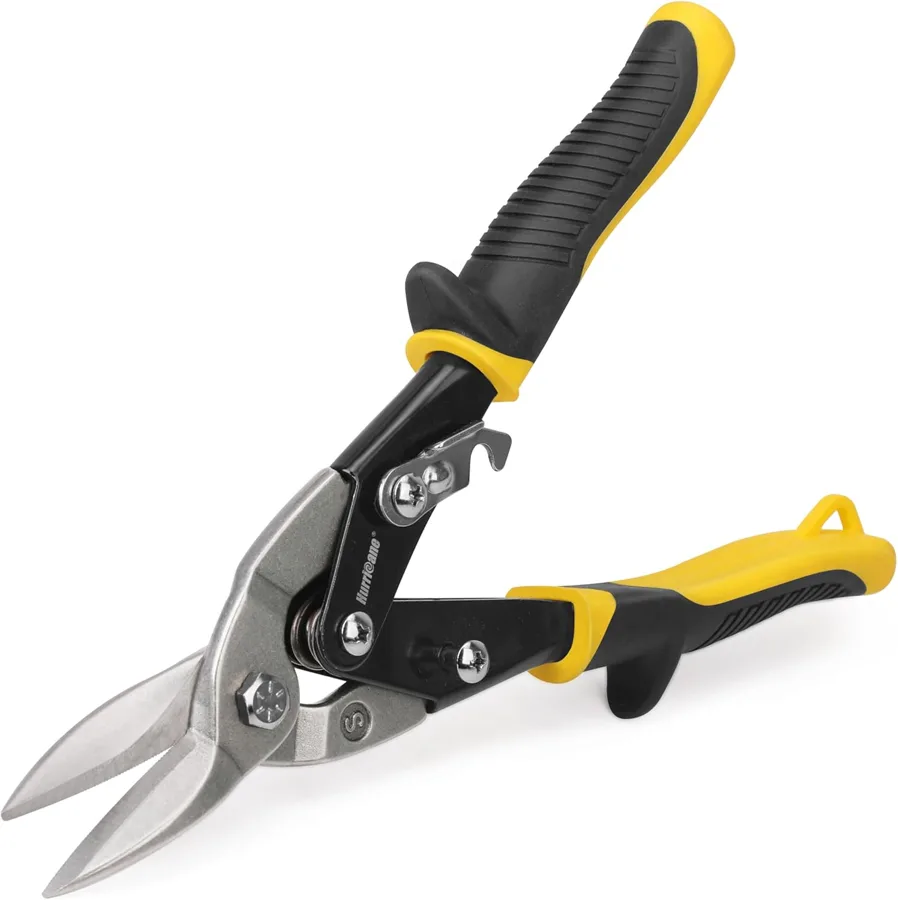
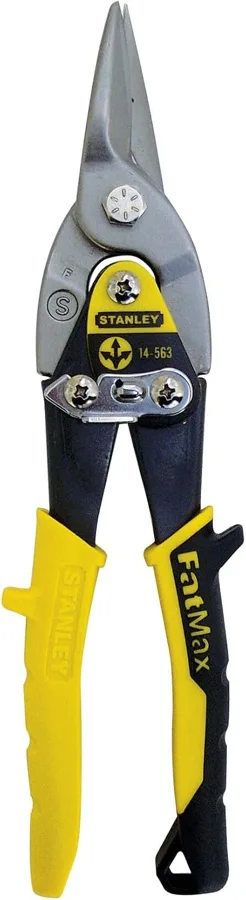
That is a lot to sort out from product pages that all say heavy duty. So we lined up five popular tin snips side by side, to see which ones deliver those features and which only claim them, before you spend anything.
Here's what we found.
How We Compared Them
We compared five snips on four criteria: Grip and Comfort, Blade Durability, Cutting Leverage and Cut Quality. These are the points US buyers weigh most when they choose between snips, from gutter trims to duct work.
Nobody put a blade to metal for this page. We read published specs, blade materials, handle construction, dimensions and design, and we weighed real buyer feedback next to them. Each snip was scored on paper against the same four criteria, and every claim in this article ties back to the maker's published specs.
Picture a long run of cuts on a gutter or a duct. With our top pick, you set the edge on your line and squeeze, and the double-lever action is built to cut the effort of each squeeze. No other snip here offers that in straight, left and right versions.
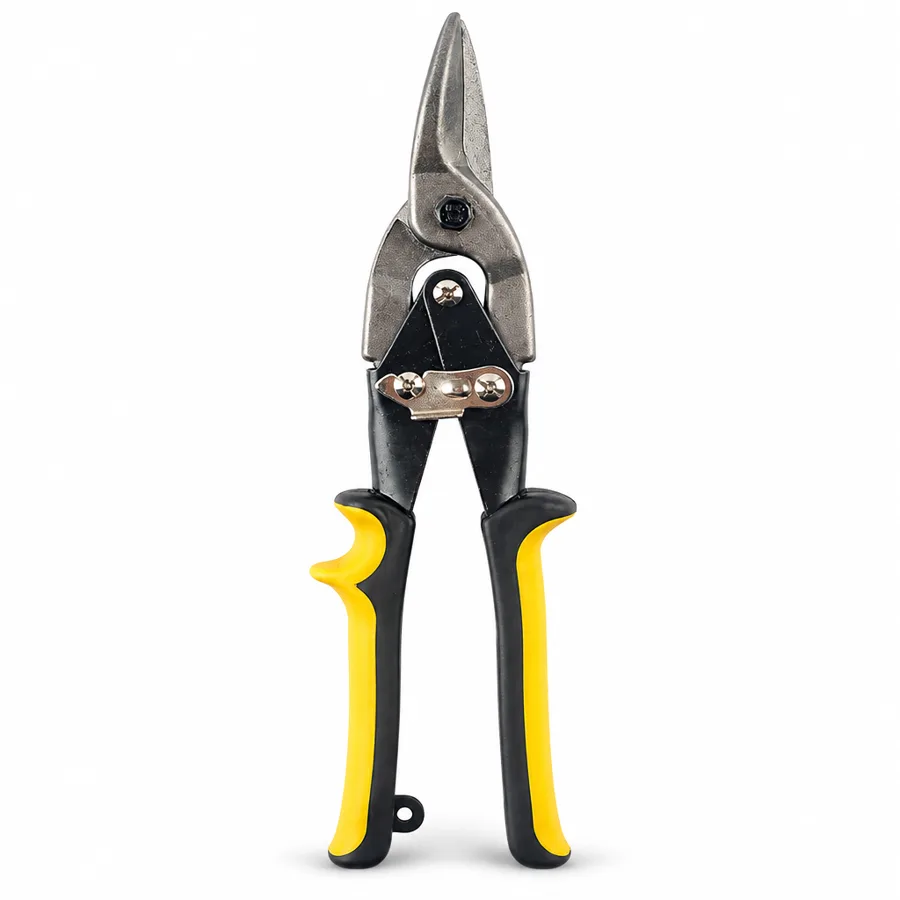
Around that sit the practical details. The two-color overmolded grip on a 110 mm (4.3 in) handle gives your hand somewhere to hold, the all-metal latch closes the jaws for storage, and the blade head is polished with anti-rust oil. It is made for tin, iron sheet, aluminum, drywall track and packing strap.
The honest limitation is that each version cuts in one direction. That is minor, because the straight version covers straight lines and gentle curves both ways, and the left and right versions handle dedicated curve work. You choose once, then cut.
The Results:
EasyKerf is the top pick because it brings a double lever, a serrated hard Cr-V blade and a firm overmolded grip together, in the cut direction you choose.
Value
You stop fighting the metal. Instead of pausing to shake out your hand, re-marking a wandering line and filing a ragged edge, you keep cutting. The serrated edge holds the sheet and the double lever takes on the squeeze.
Doing nothing has a cost too. A pair that dulls mid-job, a sheet that slips, an edge that needs rework and a replacement bought next season each take another Saturday from you. Makeshift fixes add up, and a better tool ends them.
For long-term confidence, look at the build. The blade head is polished and oiled against rust, the handle metal is e-coat treated, and the latch is all metal. It is a tool made to be picked up for the next sheet, and the one after.
The Gutter Fits and the Line Is Clean
Picture the Saturday gutter repair. You set the serrated edge on your line, squeeze, and the sheet stays put. The cut lands where you marked it, you close the latch, and you climb down with energy left for the rest of the day.
The same snips suit anyone trimming tin, iron sheet or aluminum: flashing around a chimney, duct runs, an RV panel patch, drywall track, packing strap or electrical repair work. Weekend DIYers and trade users who want a straighter, calmer cut all fit.
Frequently Asked Questions
Straight (yellow and black handle) cuts straight lines and gentle left and right curves. Left (red and black) cuts straight lines and left curves, and right (red and black) cuts straight lines and right curves. Choose by the curve you cut most, and pick straight if you are unsure.
EasyKerf's facts do not state a rated gauge or stainless capacity, so keep to tin and iron sheet, aluminum, drywall track and strap. Aviation snips are typically rated for thin mild steel and aluminum, and stainless needs a thinner gauge, so check the rating before cutting it.
That is not what this model is made for. Its facts list sheet, aluminum, drywall track and strap, so choose a tool rated for wire if a coop or fence project is on your list.
The blade is forged Cr-V steel with a high-frequency heat-treated edge and hardness up to HRC60, so it starts with a hard edge. We cannot promise a lifespan, and using it on the materials it is made for gives it the best chance.
Keep the blade oiled and dry, and use the materials it is made for to protect the edge. The blade head is polished with anti-rust oil, and the all-metal latch closes the jaws for storage. Its facts give no sharpening method.
Its facts do not describe a warranty, so we have no terms to quote. Check the store page for current details before you order.
Its facts say nothing about a break-in period, so we cannot promise how it feels on the first cut. A few trial cuts in scrap sheet before your real job are an easy way to get a feel for the squeeze.
A double-lever action is built to cut the effort per squeeze compared with a single pivot. Premium offset sets like the Midwest are made for all-day trade work, while this model suits DIY and regular trimming with your choice of straight, left or right.
Purchase and Delivery Process
Ordering is quick. Choose your cut direction (straight, left or right) and add the snip to your cart.
Each order is one snip in the direction you select, so pick the version that matches the curves you cut most.
Where Can I Buy the EasyKerf?
Getting your own EasyKerf with a 50% discount is simple. Just follow these steps: