

We Compared the Leading Tubing Cutters. Here's Why TightSnip is #1:
 Written by Emma Collins
After the hacksaw and the cheap cutter, most people reach for something bigger, hoping extra leverage will fix it. It doesn't. A full-size cutter needs a full swing around the pipe, and under a sink or between floor joists that swing doesn't exist. Others move to ratcheting or auto-feed models, then find they lose the feel of the cut on soft copper.
What to look for instead is short: a body small enough to circle the pipe, a feed knob you can turn in small steps, rollers that hold the tube while you spin, and a materials list that matches your pipe. Copper is not the only tubing around a house. There is brass, aluminum, PVC and the plastic water line behind the fridge. A gradual feed matters more than force, because crushed ends come from squeezing too hard.
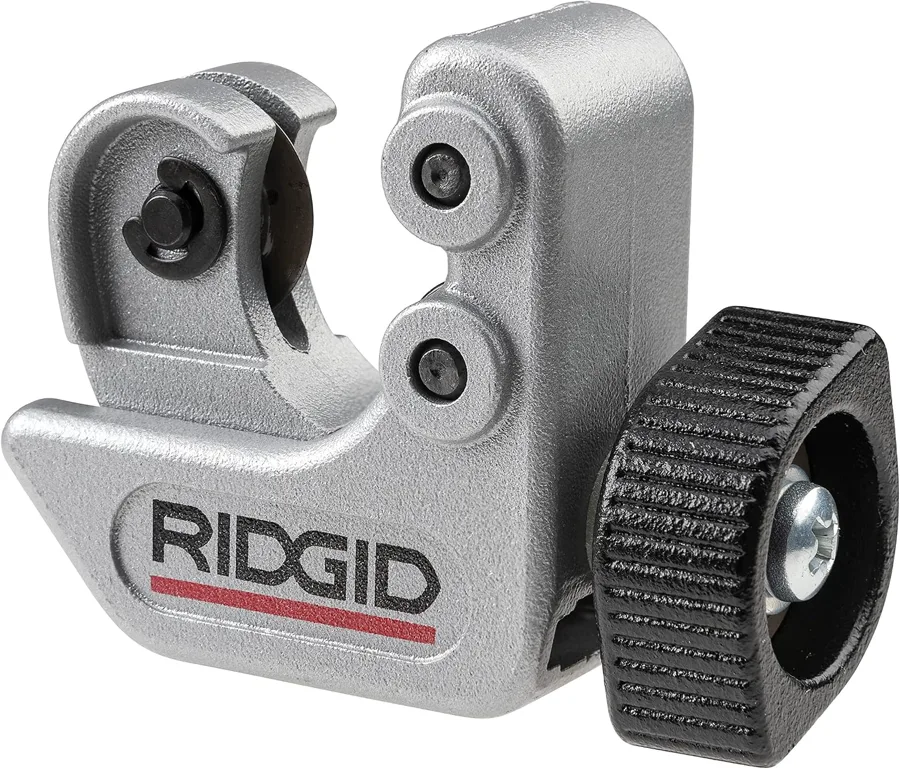
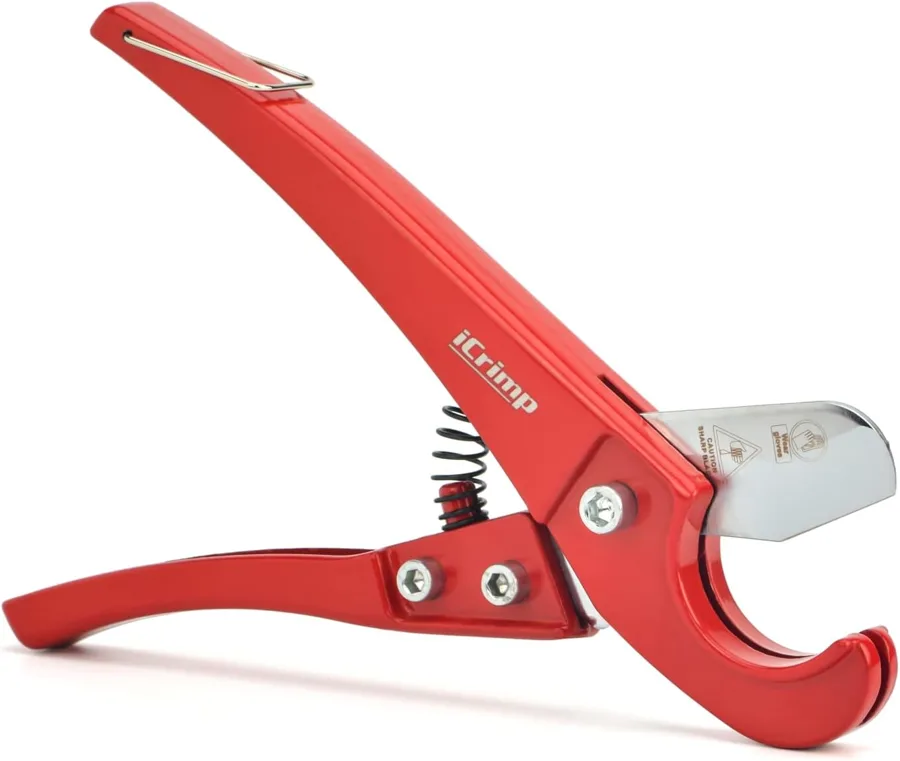
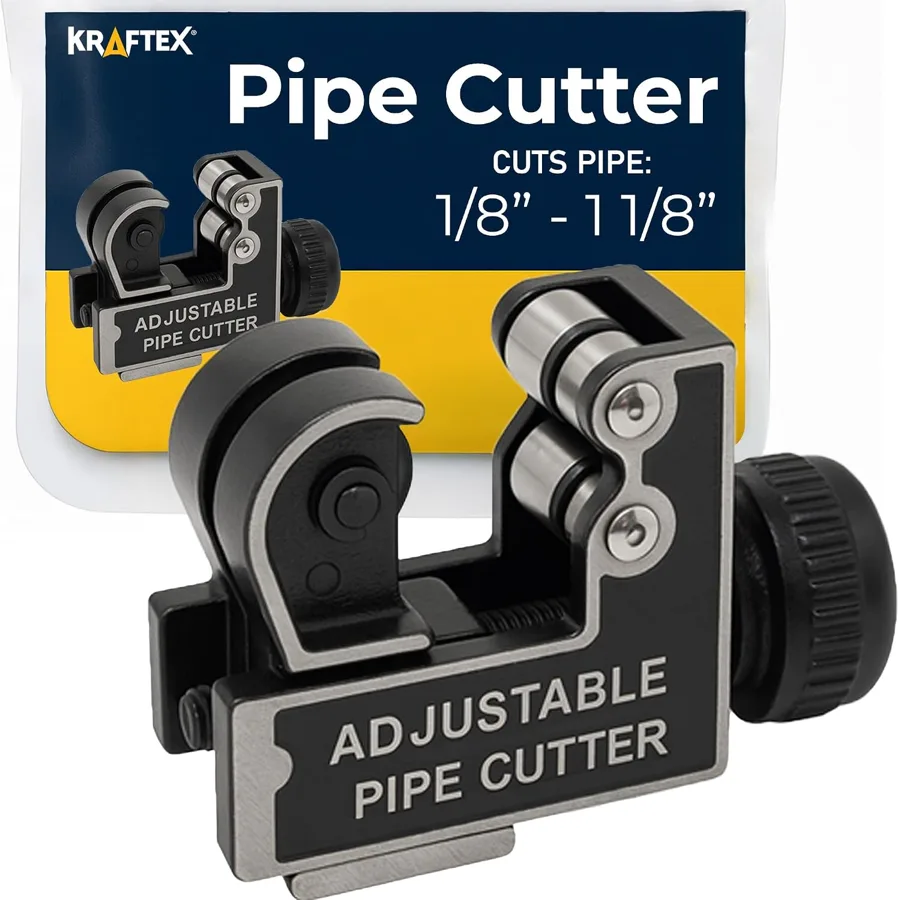
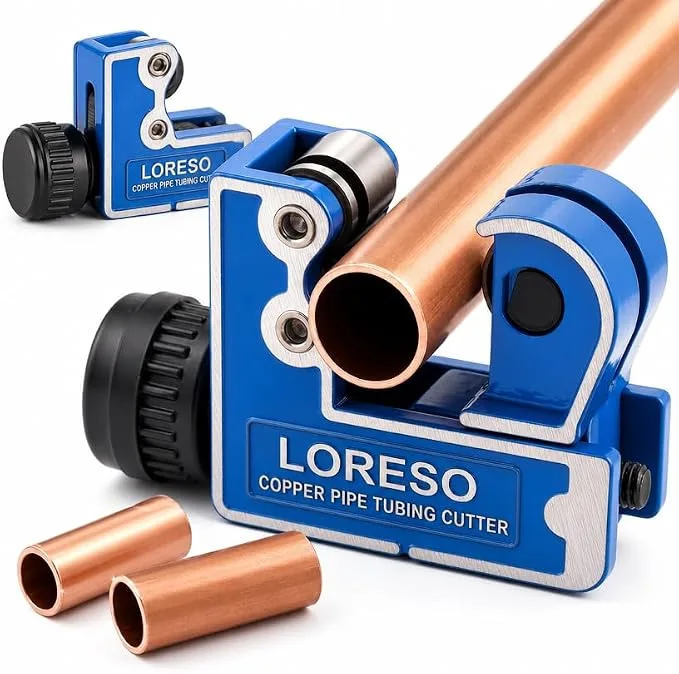
That is a lot to judge from a product title, so we put five models side by side. We read their published specs, materials and size details, and we weighed what real buyers praise and complain about. Some are built only for plastic, some are light but vague about what they cut, and one stood out for combining every need. Here is how the five line up.
Here's what we found.
How We Compared Them
We compared five tubing cutters on four criteria: Tight Space Fit, Cut Control, Build Durability and Material Versatility. Tight Space Fit looked at body dimensions, weight and how much turning room each tool needs. Cut Control looked at how pressure is applied, such as a knurled feed knob or a spring handle, and how the tube is held while you work.
Build Durability weighed body materials, parts and warranty details alongside what buyers say about blades and knobs. Material Versatility compared the tubing each model names, from copper and brass to PVC. Everything rests on published specs, materials, size details, design and real buyer feedback, read side by side on paper, so we point to what each model says about itself and what its buyers report.
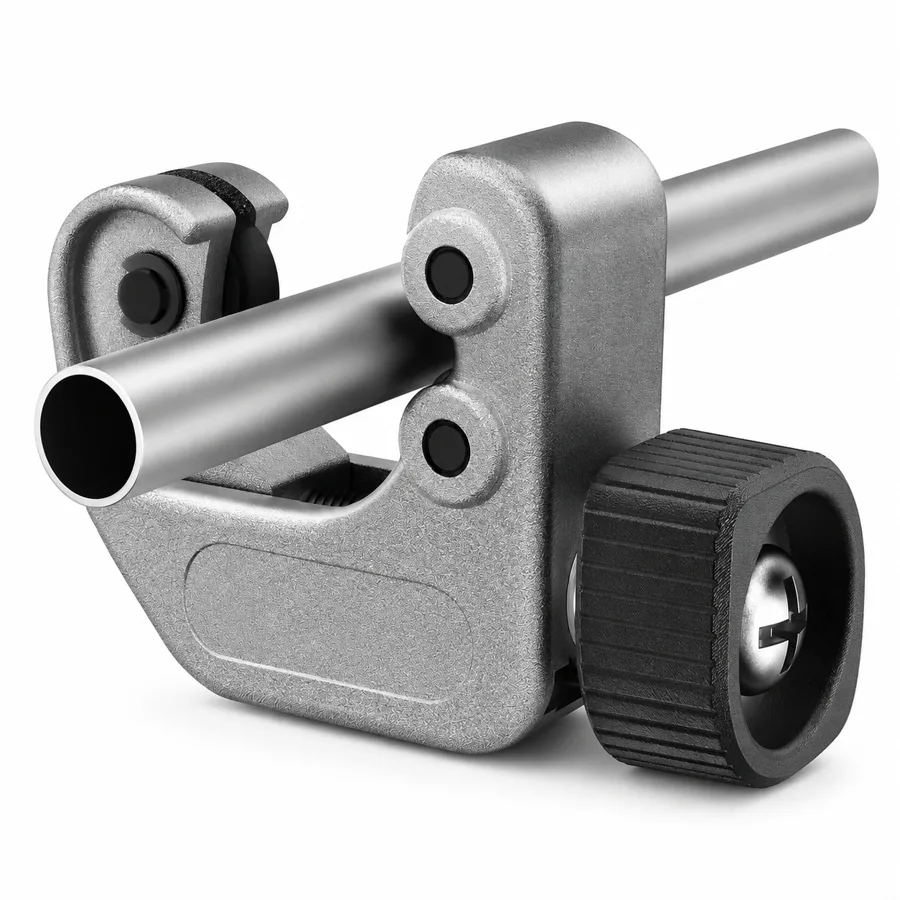
It fits a cramped cabinet and gives you gradual control of the cut, which is what buyers in this category want most. The knurled feed knob lets you tighten a little each turn, so the cut deepens instead of being forced. Two rollers and an adjustable track hold the tube while you spin.
Secondary strengths add up. The alloy body weighs 218 g (0.48 lb), light enough to live in a toolbelt, and the tool names hard and soft copper, aluminum, brass, thin stainless steel, PVC and ABS, a broad mix for one small tool.
The honest limitation: like every tubing cutter, it needs room to turn the body around your pipe, plus a light pass with a reamer afterward. That is minor, because the body is compact and the reamer step applies to any cutter in this guide.
The Results:
TightSnip is the top pick because it brings a compact body, a gradual feed knob and a broad tubing range together in one manual tool built for cramped jobs where a full-size cutter can't make a lap.
Value
You stop contorting yourself under the cabinet and stop pulling out neighboring pipe to find room for a swing. No more hacksaw shavings in the cabinet, no more filing a ragged edge while the clock runs. One small tool in your toolbelt does the circling for you.
Doing nothing has a cost too. A cheap cutter squeezes the copper, a fitting won't seat, you make another trip for a fresh length of tube, and you fight the same fight next time. A feed knob you turn in small steps is a modest feature that stops those repeats.
Build gives you confidence. TightSnip pairs an alloy body with two rollers, an adjustable track and a knurled knob that drives the feed screw. Because it names so many tubing materials, the same tool is ready for the next leak, the next appliance and the next remodel.
After the Cut: A Cleaner Job
Picture the next leaking shutoff valve. You slide the cutter around the pipe, give the knob a small turn each lap, and the tube separates. The fitting is ready, the cabinet is free of shavings, and you are back on your feet sooner.
Who else benefits? DIYers replacing a water heater connection, handymen on rental turnovers, appliance techs working behind a fridge and first-time renovators fitting a dishwasher line. It suits anyone who cuts tubing in a space where a bigger tool won't fit.
Frequently Asked Questions
It is built for under-sink and between-joist jobs, with a compact body of about 7.1 x 5.7 cm (2.78 x 2.25 in). Check that you can swing that body all the way around your pipe, because the cutter has to make full laps.
It handles tubes from 6 to 28 mm (1/4 to 1-1/8 in) outer diameter, a range engraved on the body. Measure the outside of your tube, not the inside, and you will know right away if it fits.
Hard and soft copper, aluminum, brass, thin stainless steel, PVC and ABS. For stainless, stay with thin walls, and look over your tube before you start so you know it is a match.
Crushing comes from over-tightening. Turn the knurled knob only a small amount each lap so the cut deepens gradually, while the two rollers hold the tube as you work.
Yes, plan on one. Every cutter leaves a small edge inside the tube, and a quick, light reamer pass gives you the best fit. Don't press hard while you ream.
PVC and ABS are both named among its materials. PEX is not, so if plastic water line is most of your work, the scissor-style PEX cutter in this guide is built for that job.
The box includes 1 tubing cutter. Its build is an alloy body, two rollers and an adjustable track, and we can't promise a lifespan. If a spare wheel and a lifetime warranty matter most to you, the Ridgid 40617 includes both.
Both are small manual cutters covering 1/4 to 1-1/8 in (6 to 28 mm) tubing, and the Ridgid measures 8.3 x 5.1 cm (3.25 x 2 in). The Ridgid adds a spare wheel and a lifetime warranty, while TightSnip also names thin stainless steel and ABS.
Purchase and Delivery Process
Ordering is straightforward. Use the button on this page to open the store page for our top pick, where the full details are laid out and you can add it to your cart.
Your order includes one tubing cutter. Before you check out, measure the outside diameter of your tube and make sure you have room to swing the body around it. Then confirm and get to work.
Where Can I Buy the TightSnip?
Getting your own TightSnip with a 50% discount is simple. Just follow these steps: