

We Compared the Leading Mini Block Planes. Here's Why BevelBrook is #1:
 Written by Benjamin Carter
A failed sander and a rough rasp teach the same lesson: match the tool to the job. Power removes too much, too fast, on a small edge. A rasp leaves a torn surface that needs more work, and neither lets you take off a hair and stop.
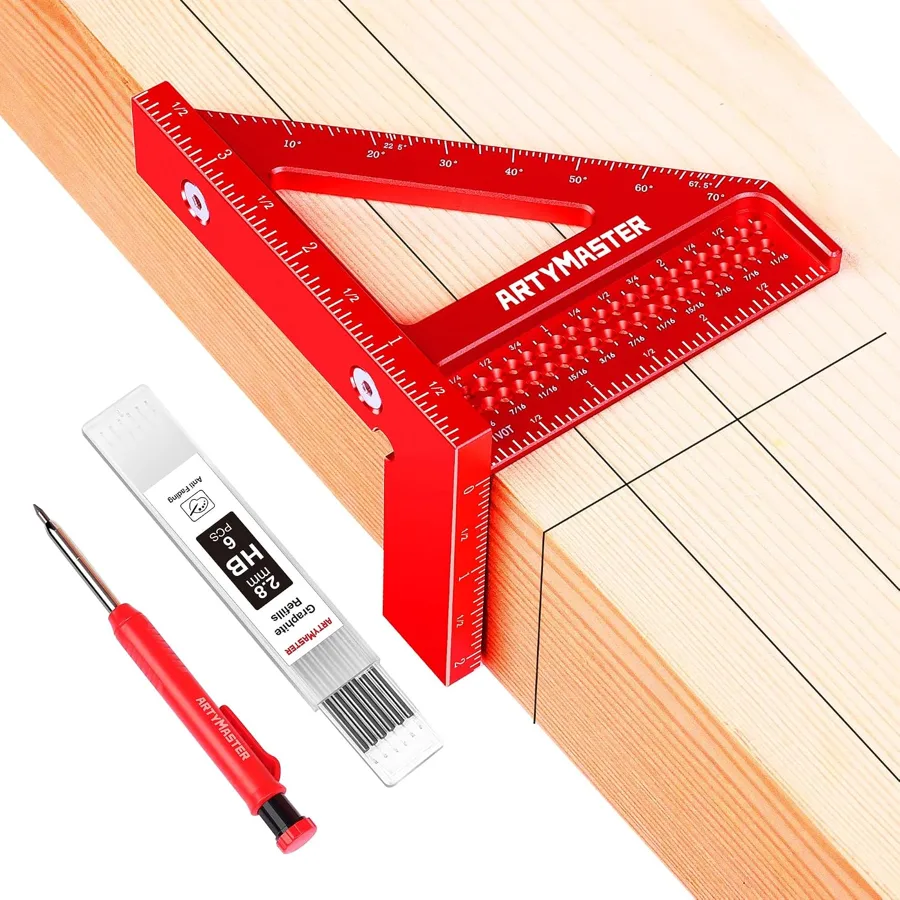
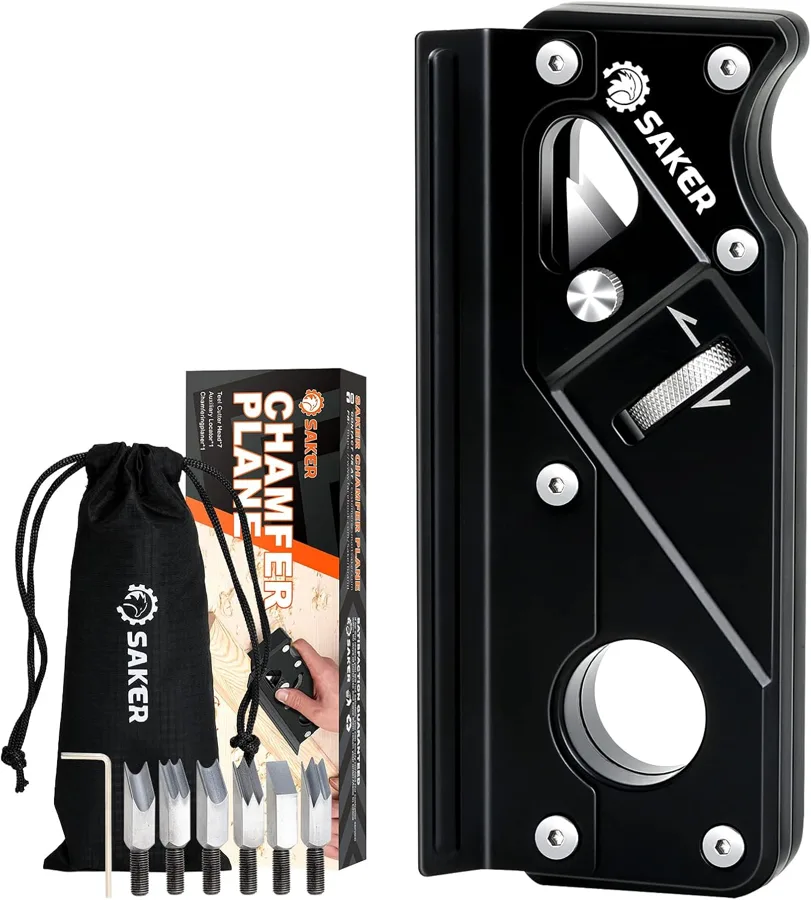
So what should you look for instead? For small trimming you want a compact body, a flat sole, a sharp steel blade and a setup with few parts. Wider surfaces call for a longer plane, marking lines calls for a square, and chamfering corners can call for a profile tool. Mixing those up is how the wrong woodworking hand tools end up in the drawer.
That is why this comparison was needed. The category puts planes, a layout square and a chamfer tool under one name, and a buyer choosing from a photo can easily pick the wrong kind. The real question is which one keeps small jobs under your control, so we lined all five up against that.
Here's what we found.
How We Compared Them
This is a paper comparison across four criteria: Size and Control, Blade and Edge, Build Materials and Depth Setting. Size and Control weighed length, width and weight. Blade and Edge covered the steel, its thickness and how the blade is held. Build Materials covered the body, cap and hardware, and Depth Setting covered how you change how much blade stands out.
We compared published specs, materials, size charts, design details and real buyer feedback, including the Amazon ratings of the market products. The group mixes woodworking hand tools built for different jobs, so each product was judged on what its own facts show and on how well it covers small trimming.
On paper, our top pick wins where small work is decided. The Small size is 135 x 40 mm (5.3 x 1.6 in) and 202 g (7.1 oz), so it is easy to hold through a whole door edge. The Large, at 160 x 45 mm (6.3 x 1.8 in), adds a little more body and still fits one hand.
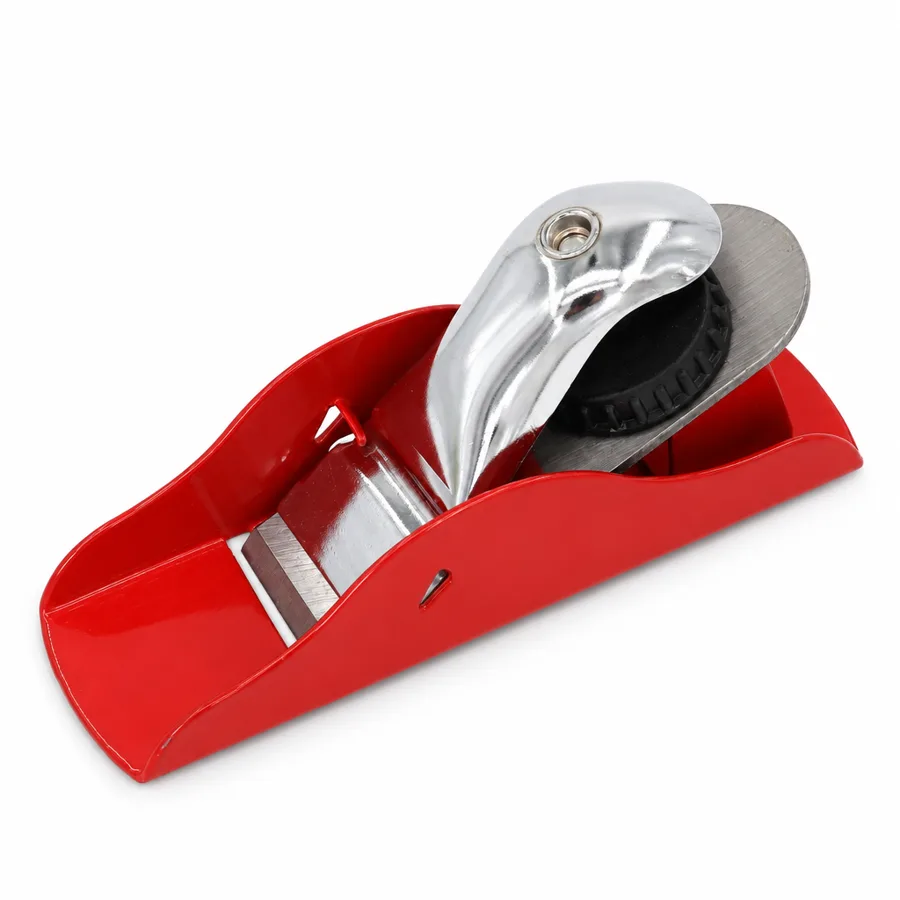
The secondary strengths come from the build. The stamped sheet-metal body has a flat sole that rides along the edge, and it is lighter than the iron planes we compared, so it is easy to carry to the next job. The 2 mm (0.08 in) alloy tool steel blade is held by a chrome lever cap and a knurled knob, and the two sizes let you match the plane to your usual edge.
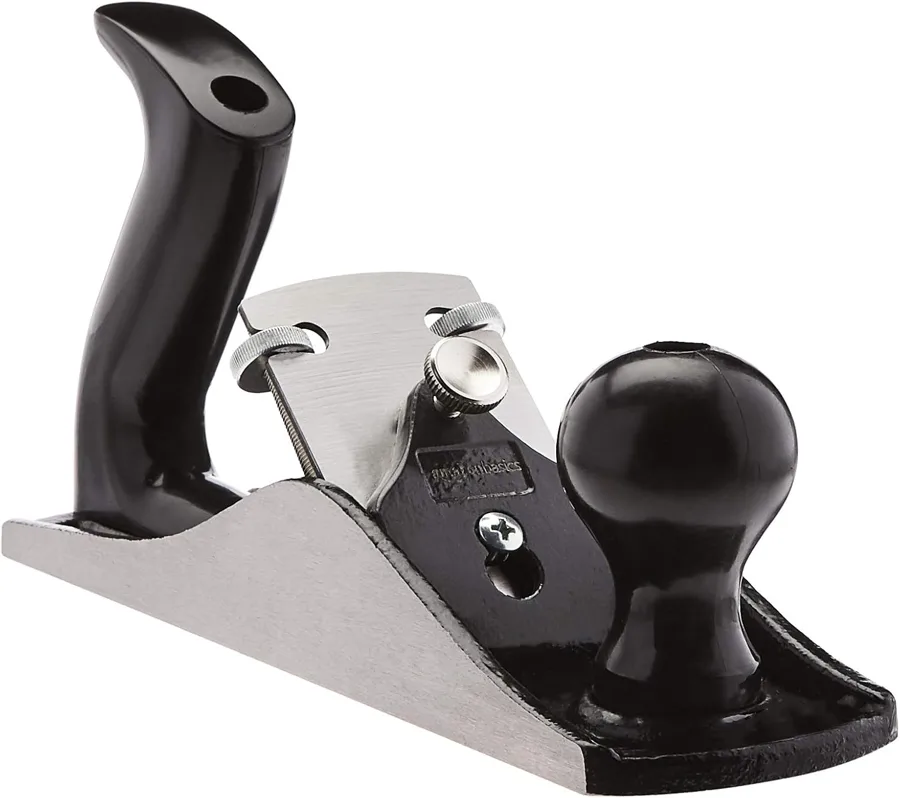
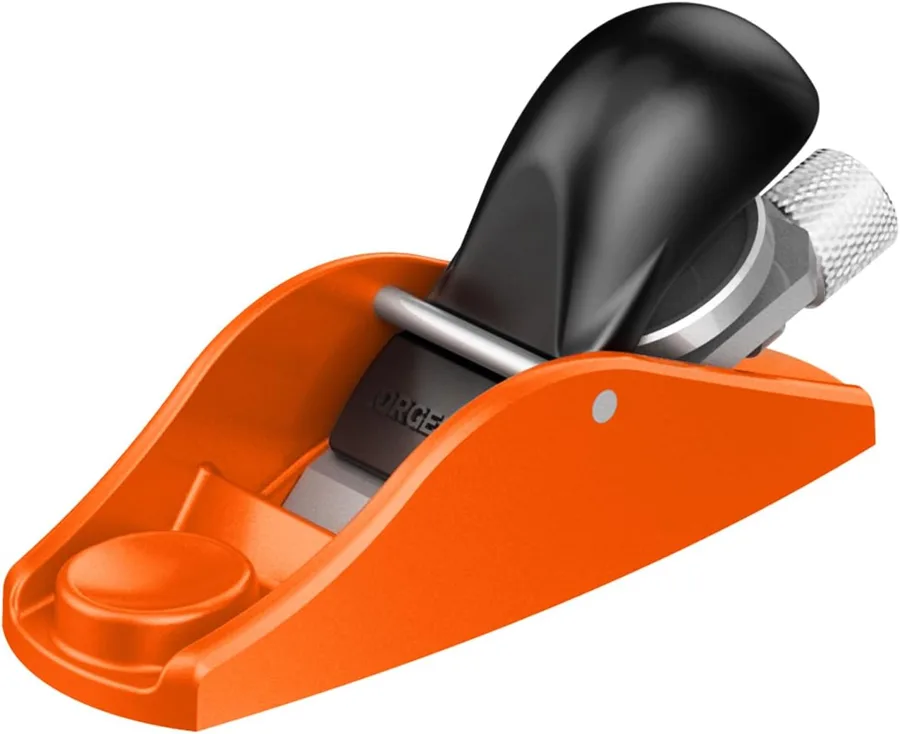
The honest limitation: the flat blade has no depth-adjuster mechanism, so you set it by hand and then take light passes. The Amazon Basics bench plane and the JORGENSEN mini plane both offer finer depth control. For short edges and chamfers it is a minor trade, because you look at each pass and stop when it is right.
The Results:
BevelBrook is our top pick because it keeps small trimming light, visible and in your own hands, with the right size for tight spots.
Value
You stop reaching for the sander for a quick fix, and you stop wrestling a bulky plane along a short edge. The dust cloud goes with them. One small plane covers the edge, the chamfer and the door that catches.
Doing nothing has a cost. A piece gets marked, a corner gets rounded more than you meant, the door still sticks, and you buy yet another tool that doesn't suit the job. Each of those is a small loss, and they repeat.
This model is built to keep working at that scale. The stamped sheet-metal body has a flat sole, the 2 mm (0.08 in) blade is alloy tool steel, and the chrome lever cap and knurled knob hold it with nothing extra to track. Keep it within reach, and the next small fix is already covered.
Your Next Small Fix Takes One Hand
Picture the hallway door that catches. You slide the plane along the edge in light passes, check the fit, and take a little more only where you need it. No cord, no dust cloud, no wondering what you took off.
The same plane suits the hobbyist easing edges on a first box, the model maker trimming small parts and the finish carpenter fitting trim on site. Anyone tidying small details by hand, from furniture restorers to weekend builders, gets a tool sized for the job.
Frequently Asked Questions
Check the edge when it arrives, as you would with any plane, and hone it if the first pass feels rough. The blade is flat alloy tool steel, so you can hone it again whenever cuts start to drag. How often depends on the wood and how much you plane.
The stamped sheet-metal body is built with a flat sole. If you want to be sure, lay a straightedge across it and look for gaps before you start.
This plane has a flat blade with no depth-adjuster mechanism. You seat the blade in the slot, place the chrome lever cap over it and turn the black knob to lock it. Then take a light pass, look, and reset by hand if you want a change.
For small jobs, yes. It has three parts and one knob, so there is little to learn. Take light passes on scrap wood first to get the feel, then move to your project.
It is a light-trimming tool, so work in light passes with the grain and check the surface often. We would not promise end-grain results, and for heavy stock removal a bigger plane is the better choice.
A door edge is a small trimming job, and the compact body suits it. Take light passes, check the fit often and stop when the door clears, so you only take off what you need.
Small is 135 x 40 mm (5.3 x 1.6 in) for the tightest spots, and Large is 160 x 45 mm (6.3 x 1.8 in) for a little more body in your hand. Measure the width of the edges you work most, then pick the matching size.
The body is stamped sheet metal with a red painted finish and a flat sole. The 2 mm (0.08 in) blade is alloy tool steel, held by a chrome-plated lever cap and a black knurled knob. That is three parts in all, in Small or Large.
Purchase and Delivery Process
Ordering takes a minute. Use the link to go to the store page, choose Small or Large, and add the plane to your cart.
The store page shows the current offer, the size options and the delivery details, so you can check everything before you confirm. Choose the size that matches your usual edge and you are set.
Where Can I Buy the BevelBrook?
Getting your own BevelBrook with a 50% discount is simple. Just follow these steps: